Products

AI products, features and launches that change what users can do.

Illustration for the BMW dashboard ads story
productsculture

BMW pushes a Spider-Man ad to dashboards it once called a private space

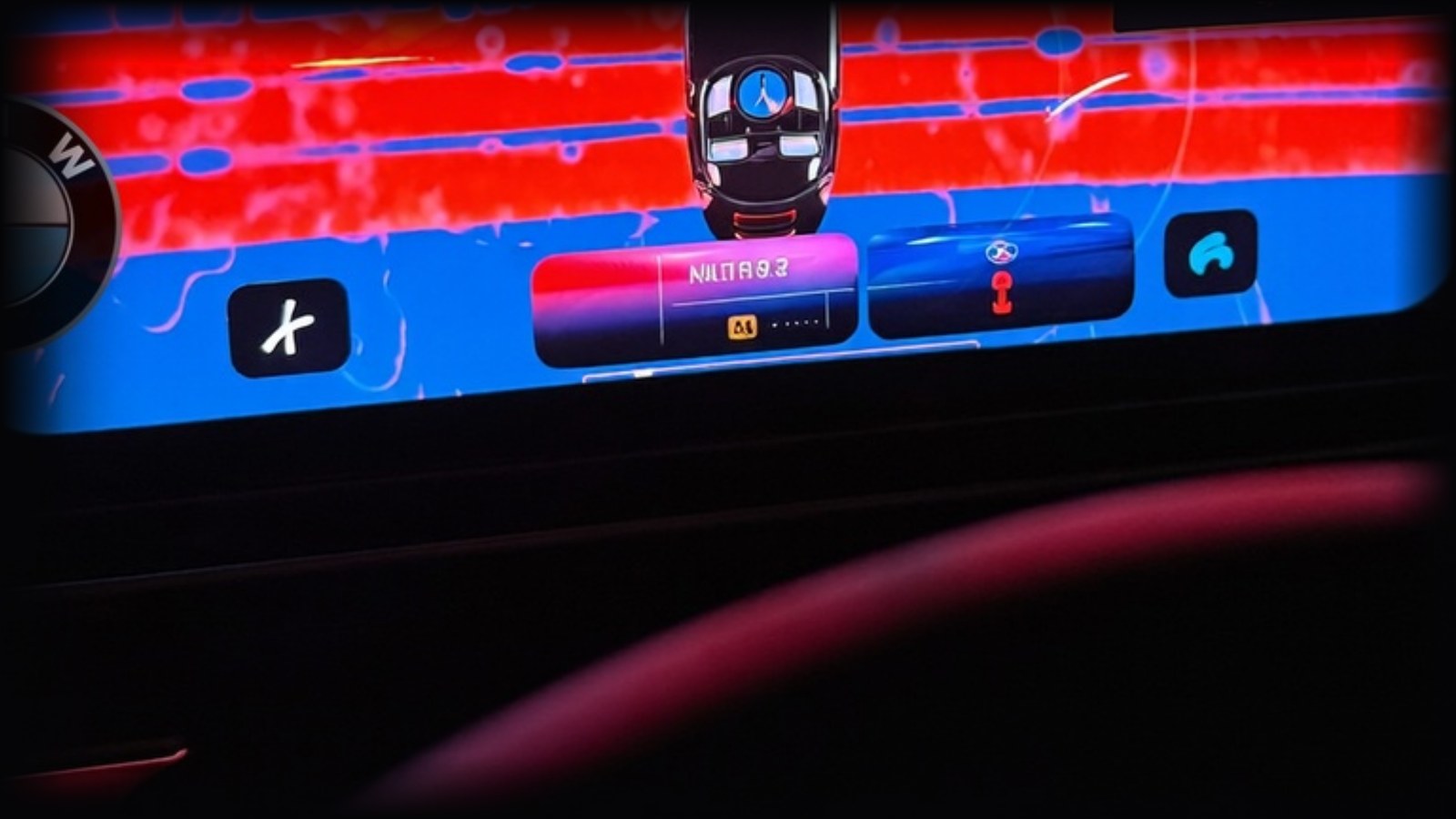
A promotion for Spider-Man: Brand New Day is running on BMW infotainment systems in post-2020 vehicles across more than 70 countries through August 10, 2026, offering a 19-second animated spot with music and synced ambient cabin lighting. In 2023, BMW's Stephan Durach had dismissed dashboard ads, calling the screen "a private space." The backlash centers on the proof of capability: BMW can push branded content over the air to millions of cars people already own.


Illustration for the Claude usage drain story
productsculture

A Claude user says his usage drained from 0 to 100% while he wasn't using it

A Reddit user on r/ClaudeAI says he woke up to two Anthropic invoices, one for a Max 20x subscription and one for auto-recharge extra usage, on a plan he writes he "never knowingly signed up for," then watched his usage climb from 11 percent at 11:09 to 100 percent at 11:40 with no active session. He also found his spending limit set to 2,000 euros. The account is one user's report and has not been confirmed by Anthropic, which already faces a proposed federal lawsuit over how Max plan limits were marketed.

Illustration for the Codex Micro review story
products

Codex Micro after three weeks: an owner's verdict on OpenAI's $230 AI remote

OpenAI and keyboard maker Work Louder launched Codex Micro on July 15, 2026 as a limited-run $230 desktop controller with 13 mechanical switches, a joystick, a touch sensor and a dial that adjusts agent reasoning effort. Three weeks in, an owner praises the build quality, LED status lights, battery life and the dictation button, but says the rotary knob loses to a mouse, the flick button is too stiff, and waking from sleep can freeze it. His verdict: worth it for multitaskers who like voice, otherwise plain Codex is enough.

Illustration for the Coldcard AI audit story
productsculture

Coldcard's AI code audit missed the bug that let hackers drain $89 million

Coinkite, maker of the Coldcard hardware wallet, says it ran one of the best available AI models over its code a few weeks before attackers began draining funds on July 30, 2026, and the model "did not find this bug or anything serious." The bug, from a March 2021 build, routed seed generation to a software randomiser, cutting effective entropy from 128 bits to roughly 40 and making keys guessable offline. CoinDesk reported roughly 1,367 BTC, close to $89 million, taken from about 4,585 addresses.

Illustration for the small business owner learning to code story
cultureproducts

A renewable energy owner learned to code at 62 and says AI saved him $50,000

A small business owner running a renewable energy installation company posted on r/ClaudeAI that a $200 a month AI plan has saved his company more than $50,000 this year, by his own estimate. He says he merged an archaic database platform into HubSpot using webhooks and Python, set up weekly auto-generated ad spend reports, and built one-click HTML client proposals, checking the math and outputs himself. This is one person's account, not an audited case study.

Illustration for the Telegram App Store removal story
policyproducts

Apple briefly pulled Telegram from the App Store over child abuse material

On the night of August 3, 2026, Telegram disappeared from the iOS App Store with no announcement. Apple later confirmed it briefly removed the app after review found content violating its guidelines prohibiting child sexual abuse material, restoring it after Telegram removed the content and banned the user who posted it. Existing installs kept working throughout, and the app stayed on the Mac App Store and Google Play.

Illustration for the Google AI Studio app cancellation story
products

Google cancels the AI Studio mobile app after 800,000 pre-orders, folds it into Gemini

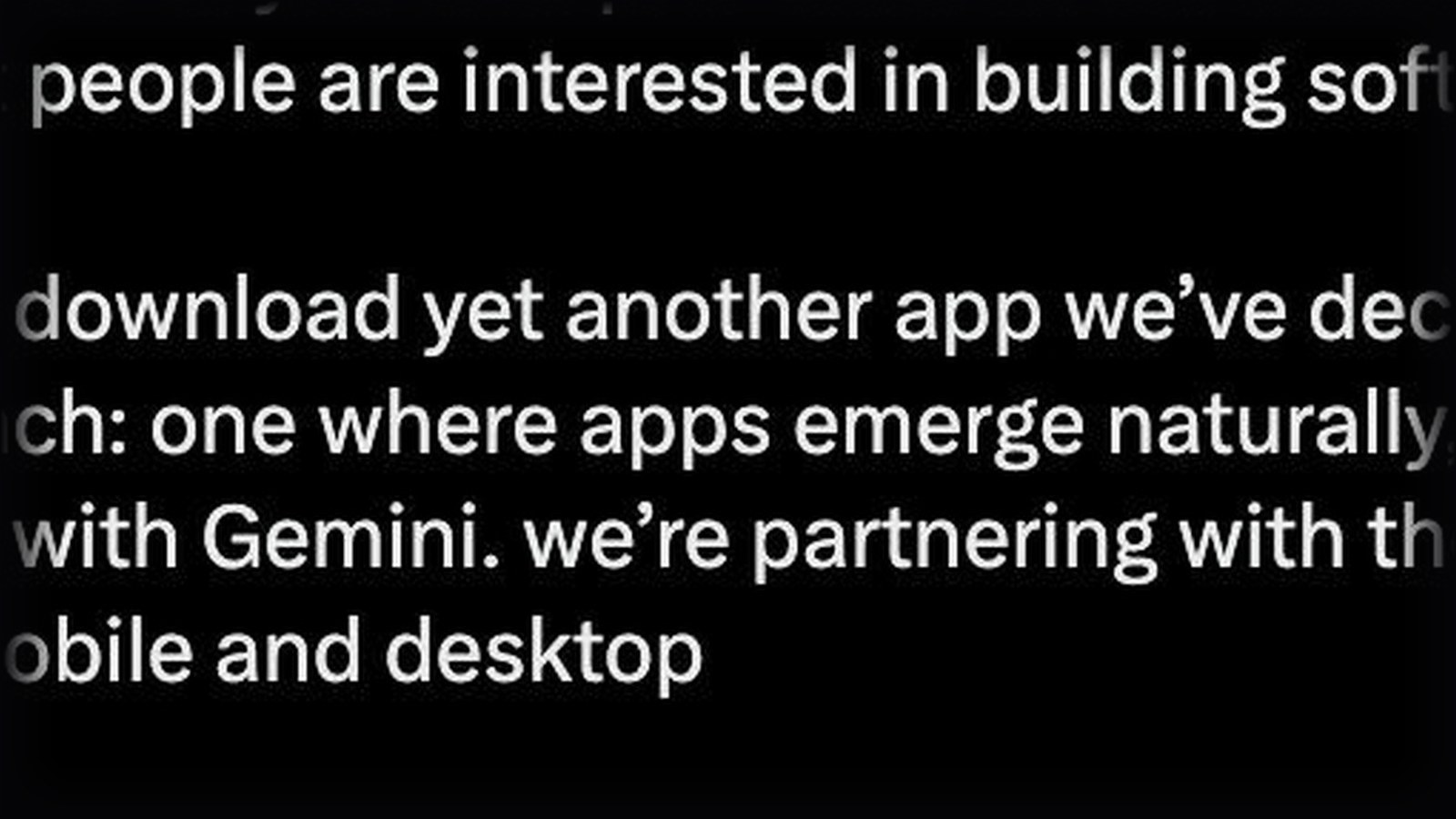
On July 31, 2026, the Google AI Studio team announced its iOS and Android app will not ship, despite roughly 800,000 pre-orders. The app-building features move into Gemini on mobile and desktop, where 'apps emerge naturally, in the course of your everyday conversations with Gemini'. The AI Studio web experience stays, and no rollout timeline was given for the Gemini version.

Illustration for the Google Earth AI rollback story
productspolicy

Google pulls Earth AI image generation after one day of fake disaster scenes

On July 30, 2026, Google switched on a create image button in Google Earth on the web, letting anyone generate photorealistic images on top of real satellite, aerial and 3D views with Nano Banana 2. Within 24 hours researchers had generated fake refugee camps at the Mexican border, an Iranian nuclear plant and a crash in Amsterdam, and 404 Media added a bomb blast to Los Angeles in its own tests. Google pulled the feature on July 31, saying it is working on stronger guardrails, with no return date given.

Illustration for the Chrome AI bug fixing story
productsmodels

Google says AI helped fix more Chrome bugs in a month than in two years

On July 30, 2026, Google said it fixed 1,072 security bugs in Chrome's two June releases (Chrome 149 and 150), more than the 1,036 bugs patched across the previous 23 versions, roughly two years of releases. Chrome engineering director Doug Turner credited Gemini-class models for preemptively fixing vulnerabilities, and Microsoft reported a similar AI-driven patching record earlier in July.

Illustration for the Grok Voice 2.0 benchmark story
modelsproducts

Grok Voice Think Fast 2.0 takes the top spot on speech-to-speech benchmarks

On July 29, 2026, xAI released Grok Voice Think Fast 2.0, which took the top spot on Artificial Analysis' speech-to-speech benchmark with 82.9%, ahead of GPT-Realtime-2.1 at 79.1% and Gemini 3.1 Flash at 69.5%. Time to first audio dropped from 1.25 to 0.70 seconds, transcription errors fell 1.4 to 2x across 24 languages, and pricing sits at $0.08 per minute of audio. The grok-voice-latest alias switches to 2.0 on August 5.

Illustration for the LinkedIn AI slop button story
productsculture

LinkedIn adds an AI slop report button and starts burying low-quality posts

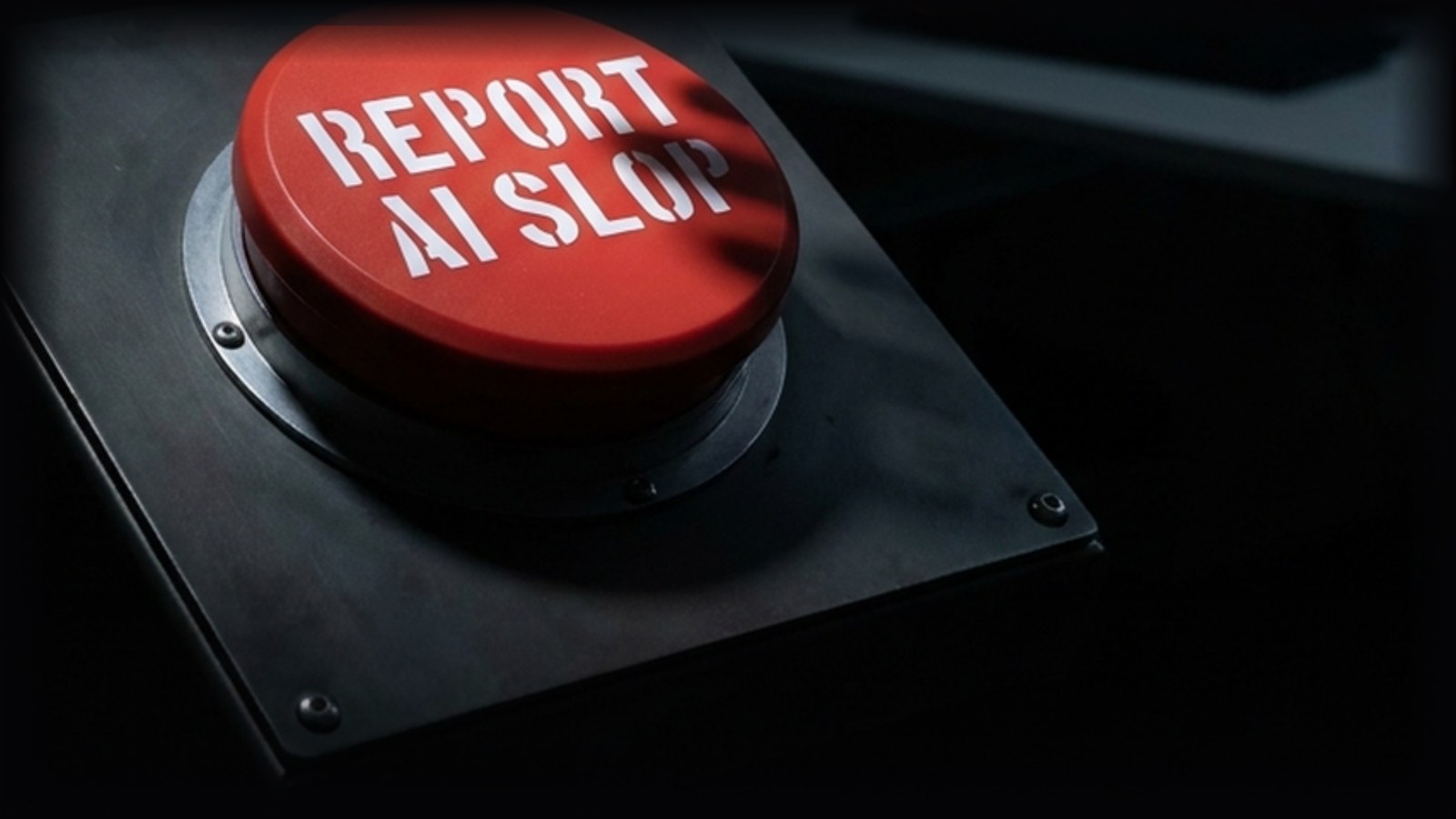
On July 30, 2026, LinkedIn rolled out a "seems like AI slop" report option: flagging a post feeds LinkedIn's classifiers and teaches the feed to bury similar low-quality AI content. The company says it also blocks hundreds of thousands of automated comment attempts daily and is retiring its own "enhance your post" AI writing feature. In July, AI detector Pangram found over 40% of long LinkedIn posts were fully AI-written, the highest share of any major platform.

Illustration for the Apple Upgrade leasing program story
productsmoney

Apple Upgrade turns iPhone, iPad, Mac and Watch into monthly subscriptions

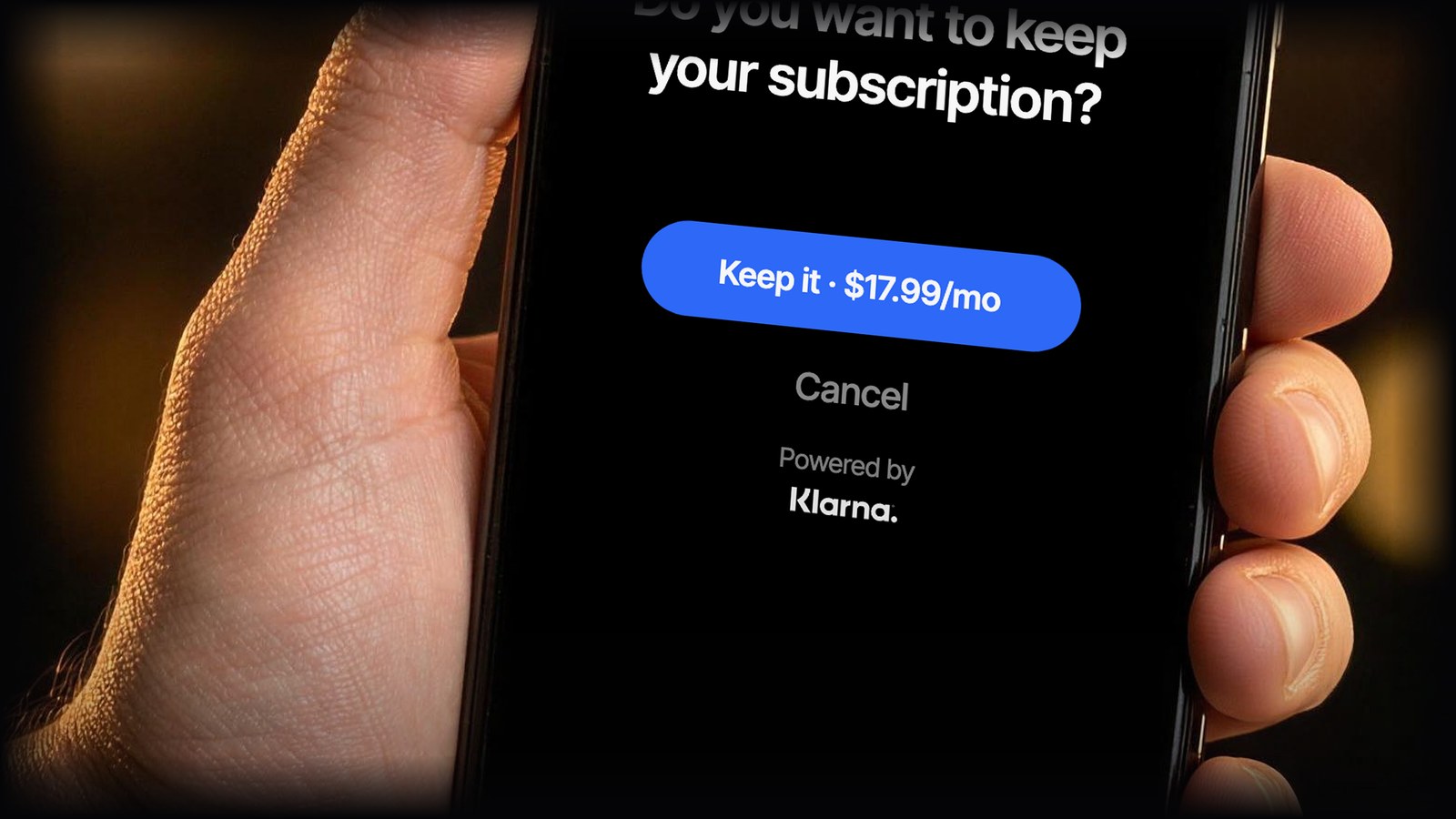
On July 28, 2026, Apple launched Apple Upgrade in the US, a leasing program run with Klarna covering iPhone, iPad, Mac and Apple Watch. iPhone starts at $17.99 a month and Apple Watch at $11.99, with 24-month terms for iPhone and Watch and 36 months for iPad and Mac. At the end of the term you upgrade, return or keep the device, early payoff is allowed, and the old iPhone Upgrade Program is being wound down.

Illustration for the Claude shared chats indexing story
productsculture

Shared Claude conversations turned up in Google search results

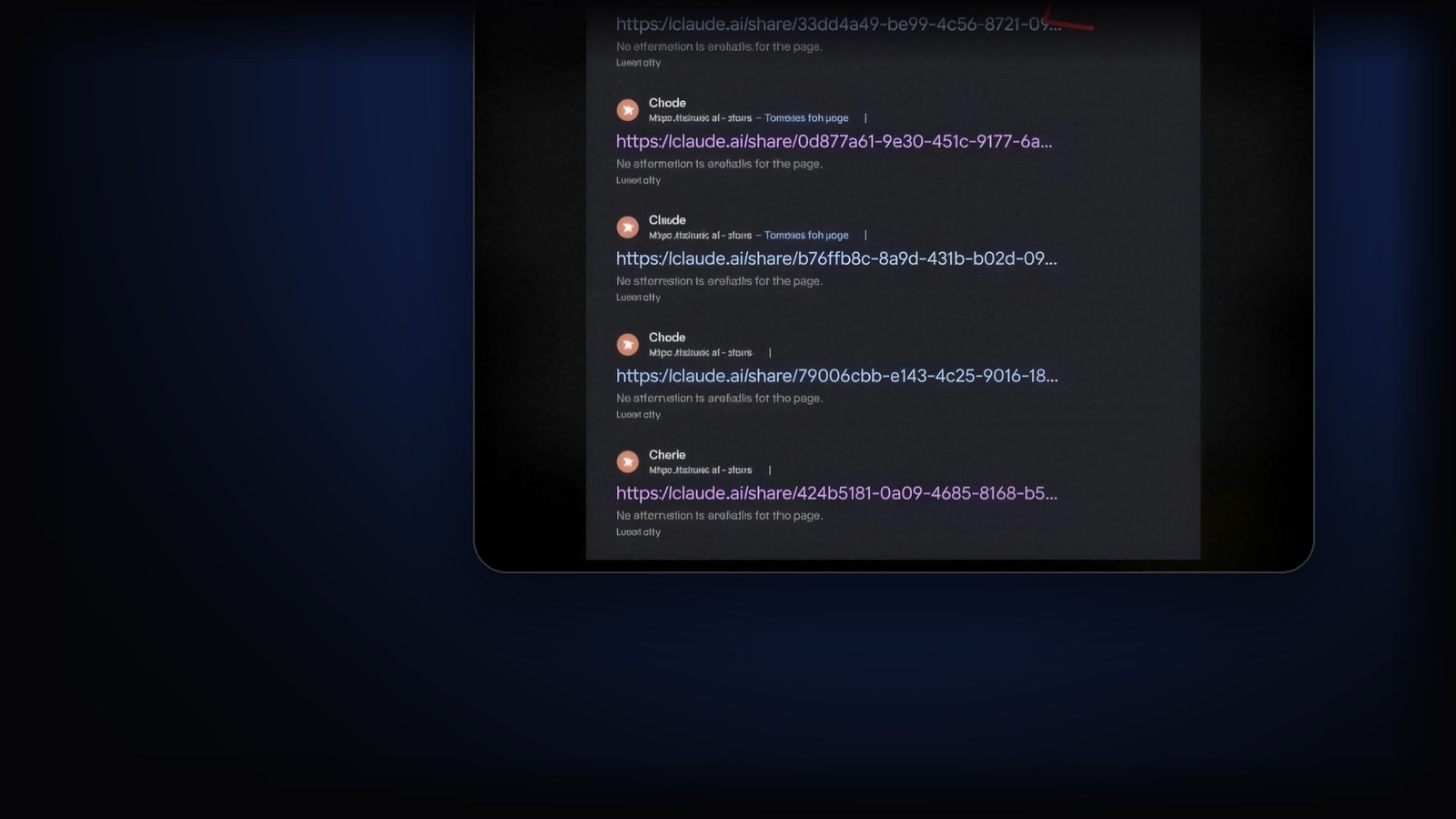
On July 27, 2026, TechCrunch and Futurism reported that Claude conversations and Artifacts shared via the chatbot's share button were indexed by search engines and searchable by anyone, including a patient's medical report and children's contact details. Anthropic responded that the feature worked as intended: share links create public pages, and public pages can be indexed.

Illustration for the OpenAI academic researchers program story
researchproducts

OpenAI offers free frontier models to 10,000 academic researchers

On July 29, 2026, OpenAI launched ChatGPT for Academic Researchers: free access to its frontier models, including GPT-5.6 Sol Pro, for 10,000 researchers starting this summer and expanding to 100,000 by 2027. The program is part of a commitment of more than $250 million to external scientific research through 2027, though model weights stay closed.

Illustration for the RAM price surge story
chipsproducts

RAM prices jump sixfold in a year and your next phone will pay for it

RAM prices jumped from $2.80 to about $12 per gigabyte in a year, a roughly sixfold surge, as memory makers redirect capacity to high-bandwidth memory for AI data centers. Qualcomm told customers chip prices rise by double digits for shipments after September 1, Google confirmed Pixel 11 prices are going up with reports pointing to about a $100 increase and a $899 starting price, and the memory bill for a 16GB flagship went from roughly $45 to about $192. Official Pixel 11 pricing lands at the Made by Google event on August 12.

Illustration for the X Money launch story
productsmoney

X Money goes live across the US as a fiat-only neobank with no crypto

On July 27, 2026, X started rolling out X Money to all US Premium and Premium+ subscribers in 41 states plus Washington DC, excluding New York and Massachusetts for now. The service offers deposit accounts operated by X Payments LLC with FDIC-insured Cross River Bank, a metal Visa debit card, up to 6% APY, 3% cashback and free instant transfers to any X handle. Despite Musk's crypto history, it launched fiat-only, with no Bitcoin, stablecoins or on-chain settlement, though execs hint stablecoins may come later.

Illustration for the Apple smart glasses story
products

Apple targets WWDC 2027 for smart glasses built around privacy

Bloomberg's Mark Gurman reported on July 26, 2026 that Apple plans to unveil its first smart glasses at WWDC in June 2027, with shipments targeted for late 2027. The open question inside Apple is the camera: drop it entirely, or restrict it so it cannot capture user-initiated photos and video at all, serving only as the eyes of Siri's visual intelligence. Apple is expected to position the glasses directly against Meta's Ray-Bans on privacy.

Illustration for the Grok in Google Workspace story
products

xAI brings Grok to Google Docs, Sheets and Slides as a free add-on

xAI launched a free Grok add-on in the Google Workspace Marketplace on July 24, 2026: one install covers Docs, Sheets and Slides, with no waitlist and no subscription required. It answers questions about spreadsheet data with cell citations, turns outlines into full decks, and drafts documents. A Grok integration for Microsoft Outlook launched three days earlier but sits behind X Premium and SuperGrok plans priced from $8 to $300 a month.

Illustration for the Midjourney Co-Star acquisition story
productsculture

Midjourney buys astrology app Co-Star in a bet on product personality

Midjourney has acquired Co-Star, the astrology app known for its blunt push notifications and about 4.3 million monthly active users, with the news breaking on July 24, 2026. Deal terms were not disclosed and the acquisition reportedly closed back in spring. Co-Star's roughly two dozen employees join Midjourney, founder Banu Guler becomes Chief Design Officer according to Bloomberg, and the app keeps running.

Illustration for the ChatGPT Voice desktop story
products

ChatGPT Voice comes to desktop, turning speech into a control layer for agents

On July 23, 2026, OpenAI brought ChatGPT Voice to the desktop app on macOS and Windows, rolling out globally to Plus, Pro, Business, Edu, and Enterprise plans. Powered by GPT-Live, which listens and speaks simultaneously, it can control the computer and direct multiple agents running in ChatGPT Work or Codex, and on macOS it reads screen context from the frontmost window plus local files and codebases.

Illustration for the ChatGPT Health story
products

ChatGPT Health rolls out in the US and asks to connect your medical records

Since July 23, 2026, OpenAI has been rolling out Health in ChatGPT to US users 18 and over on Free, Go, Plus, and Pro plans, on web and iOS. It connects Apple Health and supported medical records (US hospital systems, One Medical, Function Health) so ChatGPT can compare labs over time, track medications, and link sleep and activity to how you feel. OpenAI says connected health data is not used for training and Health supports care rather than diagnosing.

Illustration for the Meta Seller app story
products

Meta launches Seller, an AI app that writes Facebook Marketplace listings from photos

On July 24, 2026, Meta launched Seller, a standalone iOS app for Facebook Marketplace sellers in the US (18+, with Android and web in testing). Upload photos of an item and Meta's Llama-powered AI generates the entire listing: title, description, suggested price, category, and shipping labels. The app syncs with existing Marketplace listings and adds a seller dashboard for shipments, messages, views, clicks, and sales.

Illustration for the OpenAI Presence launch story
products

OpenAI launches Presence, a platform for deploying AI agents as enterprise staff

OpenAI launched Presence on July 22, 2026, a platform for deploying AI agents inside companies for customer support, sales, procurement, IT, and HR, with per-agent policies, permission controls, and human escalation rules. It already runs OpenAI's own English-language phone support line, resolving about 75 percent of inbound calls with no human involved, and is available only through OpenAI's Forward Deployed Engineers and select partners.

Illustration for the Decoy Font story
cultureproducts

Decoy Font hides a second letter that AI reads wrong and humans see right

After an AI coding agent cracked Ghost Font, the moving-dot font only humans could read, within days, creator Eric Lu of Mixfont released Decoy Font: a normal TTF where every character secretly contains two letters. AI reads the sharp, high-contrast decoy outline, while the real letter hides in a blurry low-frequency layer that emerges when you squint or step back. In the demo, AI confidently reads "SORRY ROBOT" while humans see "HAPPY HUMAN", and in tests top models kept missing the real message.

Illustration for the Higgsfield free 24 hours story
products

Higgsfield gives new users 24 hours of unlimited access to its top AI video models

Higgsfield announced that every new user gets a full 24 hours of unlimited access to all of its top models before any subscription starts, including Seedance 2.0, the model behind many of the viral AI videos in circulation. Users who stay after the trial get Higgsfield Plus with 7 extra days of unlimited access on top, and leaving takes one click during the trial.
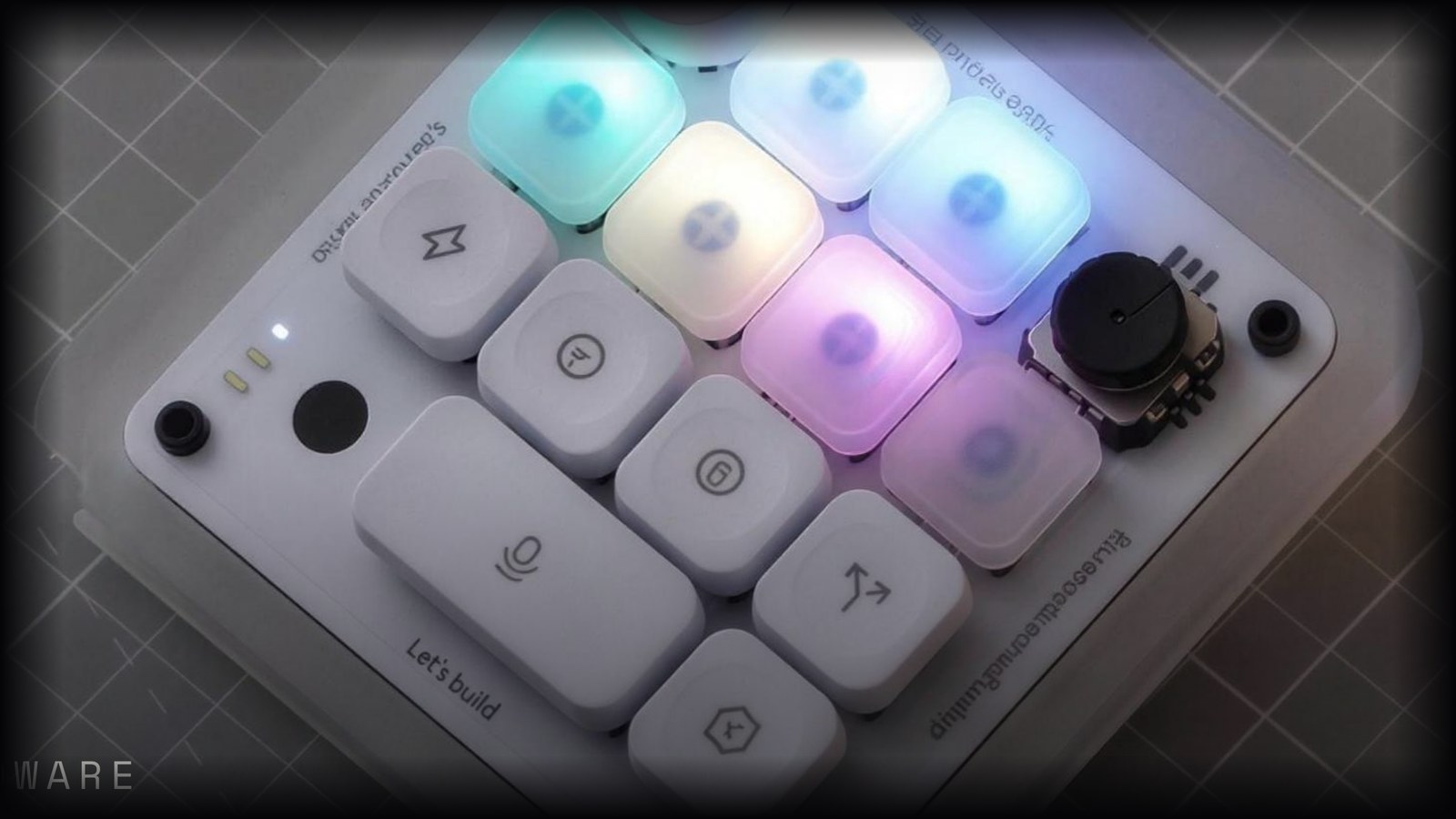
Illustration for the Meta AI bans story
productsculture

Meta's AI moderation is deleting long-running accounts by mistake

The New York Times reported on July 21, 2026 that Meta's automated moderation has been mistakenly deleting Instagram and Facebook accounts people spent years building, including business accounts, with bans arriving without warning, explanation, or a human in the process. Appeals frequently get processed by the same automated system that made the mistake. Meta's defense is statistical: it says its newer AI tools make 13 percent fewer moderation mistakes than human reviewers and catch 10 percent more violations.

Illustration for the Substack AI detector story
products

Substack adds built-in AI detection powered by Pangram

On July 21, 2026 Substack partnered with AI-detection company Pangram and became the first major publishing platform with AI detection built in: readers can scan any post longer than 100 words and get an estimate of how much was written by AI. It works on posts published from July 21 onward, on web and iOS with Android coming, alongside a new disclosure space where writers can state how they used AI. The fine print: detectors estimate, they do not prove, and no detector is immune to false positives.

Illustration for the Emoji 18.0 final designs story
cultureproducts

Unicode locks final Emoji 18.0 designs ahead of September release

Unicode has locked the final artwork for all nine Emoji 18.0 additions ahead of the standard's September 15, 2026 release: Cracking Face, Leftwards Thumb, Rightwards Thumb, Monarch Butterfly, Pickle, Lighthouse, Meteor, Eraser, and Net With Handle. Android is expected to get them in late 2026 and iOS in early 2027. The flaming rock emoji is now officially the meteor, while the blue ice streak returns to being the comet.

Illustration for the EU Android AI assistants story
policyproducts

EU orders Google to open Android to rival AI assistants under the DMA

On July 16, 2026 the European Commission adopted two binding Digital Markets Act decisions against Google. One forces Google to open 11 Android feature groups to rival AI assistants with the same system-level access Gemini gets, from voice activation to acting across apps; the other requires Google to share anonymized search query, click and ranking data with competitors on fair terms. Google says the decisions risk undermining privacy and security guardrails for millions of Europeans.

Illustration for the Gemini Notebook rename story
products

Google renames NotebookLM to Gemini Notebook as the brand consolidates

Google has renamed NotebookLM to Gemini Notebook (announced July 16-18, 2026, per 9to5Google), keeping it a standalone app while adding the Gemini brand, a blue-purple gradient logo, Drive sync and a coming spot inside Google Search's AI Mode, for a user base of over 30 million people and more than 600,000 organizations. The Gemini 3.5 + Antigravity agentic research stack that AI Ultra subscribers got last month is coming to the cheaper AI Pro tier. Meanwhile Gemini 3.5 Pro has missed its launch window three times, and Google registered Gemini 3.6 Flash as a stopgap name.

Illustration for the Codex Security story
modelsproducts

OpenAI's GPT-5.6 Sol sets a hacking benchmark record as Codex Security ships

OpenAI announced that GPT-5.6 Sol set a new state of the art on The Last Ones cyber range, one of the toughest hacking skill benchmarks, and shipped the capability as a defensive tool: Codex Security, a plugin that runs a security scan on any codebase directly inside Codex, finding, validating and fixing vulnerabilities. OpenAI says teams are already seeing the capability translate into real defensive outcomes in production code. The open question is that every tool that finds holes for defenders describes those same holes to attackers.

Illustration for the Claude Fable 5 subscription story
modelsproducts

Anthropic puts Claude Fable 5 back into Max and Team Premium subscriptions

Anthropic announced on July 18, 2026 that beginning July 20, Claude Fable 5 will be included in all Max and Team Premium plans at 50% of limits, while Pro and Team Standard users stay on usage credits and receive a one-time $100 credit. The usage-credit rate stays at $10 per million input tokens and $50 per million output tokens, twice the price of Opus 4.8. This reverses the plan for Fable 5 to leave subscriptions after July 7, an exit that had already been extended twice, to July 12 and July 19.

Illustration for the Tornyol mosquito drone story
roboticsproducts

Tornyol's mosquito-hunting micro-drone scores its first air-to-air hit

On July 14, 2026, Paris-based Tornyol, a Y Combinator Fall 2025 startup, scored the first air-to-air hit with its anti-mosquito system: a base station with a 380-microphone ultrasonic phased array tracks wingbeat echoes in 3D out to about 8 metres, and a 40-gram drone flies the predicted path and strikes the insect with a propeller. Price is around $1,100 or $50 a month. The first confirmed kill was a moth, not a mosquito, the demo ran on external motion-capture tracking rather than the finished onboard stack, flight time is about three minutes, and the company's malaria-eradication claims have no field trials or third-party validation yet.

Illustration for the Visa stablecoin platform story
productsmoney

Visa unveils a stablecoin platform that lets banks mint and move digital dollars

On July 16, 2026, Visa announced the Visa Stablecoin Platform, a single Visa-managed environment where banks, fintechs and crypto firms can mint, redeem, hold and transfer stablecoins, plus a Wallet-as-a-Service layer. It launches with Open USD, a stablecoin recently introduced by the Open Standard consortium, and includes dual-control workflows, audit logs, passkeys and transfer allow lists. It is in beta with select clients, not live across Visa's network, and Visa frames Open USD as complementing stablecoins it already supports, including USDC and USDG.

Illustration for the Apple Intelligence in China story
productspolicy

Apple Intelligence clears Chinese regulatory approval with Qwen under the hood

On July 15, 2026, Apple Intelligence was registered with the Cyberspace Administration of China, the approval Apple needed to switch on AI features for mainland iPhone users. Alibaba's Qwen model will power Apple Intelligence across iOS, iPadOS, macOS and visionOS, handling text and image generation, with Baidu helping develop additional AI tools. No launch date yet; registration usually precedes rollout by a few months, lining up with Apple's fall software cycle.

Illustration for the Codex Micro story
products

OpenAI's first gadget is Codex Micro, a $230 physical remote for AI agents

On July 15, 2026, OpenAI and keyboard maker Work Louder launched Codex Micro, a $230 desktop controller for managing Codex coding agents, sold as a limited run through Supply Co. It packs 13 mechanical switches, a joystick, a touch sensor, a dial that adjusts how much reasoning an agent applies, and six illuminated agent keys showing status: white idle, blue thinking, green done, red error. OpenAI says it is separate from the consumer hardware project with Jony Ive.

Illustration for the Overtone AI matchmaking story
productsmoney

Hinge founder raises $18 million for Overtone, a voice-first AI matchmaker

On July 14, 2026, Hinge founder Justin McLeod, who stepped down as Hinge CEO last year, announced Overtone, a voice-first AI matchmaking service backed by $18 million from Match Group, FirstMark Capital and Pace Capital, with relationship expert Esther Perel joining the board. There are no profiles, feeds or swiping: the AI gets to know each person in depth, then makes a few selected introductions and explains each one. Testing is expected to start in New York City before the end of 2026, and the waitlist is open.

Illustration for the Claude for Teachers story
products

Anthropic launches Claude for Teachers with a free year for US educators

Anthropic announced Claude for Teachers on July 14, 2026, giving every verified K-12 educator in the US a year of premium access, with applications open until June 30, 2027. The tool is built for lesson plans, quizzes, presentations and parent messages, and connects to Learning Commons for evidence-based curricula mapped to academic standards in all 50 states. Teacher conversations are never used for AI training, and the tool is for educators only under Claude's 18-and-over policy.

Illustration for the Cloudflare Precursor story
productsinfrastructure

Cloudflare's Precursor replaces CAPTCHAs with continuous behavior checks

Bots now generate about 57% of all web requests, and Cloudflare's answer, launched July 13, 2026, is Precursor: a continuous behavioral validation engine that analyzes mouse movements, scrolling patterns and typing rhythm in real time at the edge for the entire session, instead of testing once. A bot cannot reset the session to escape a bad score. It deploys with one click and is initially free for Cloudflare customers.

Illustration for the Anthropic billing error story
productsculture

Anthropic billed a free-tier Claude user $16.6 million by mistake

A free-tier Claude user in South Korea got a failed-payment notice for about $1.67 million on July 7, 2026, followed less than a day later by a $16.6 million invoice. Anthropic confirmed it was a billing error caused by an incorrect auto-reload setting and that the user owes nothing, but the declined charge attempts got the user's primary credit card blocked, and resolving it took 4 days and about 18 emails.

Illustration for the Queue robot pharmacy story
roboticsproducts

Queue's autonomous pharmacy kiosk fills prescriptions with no pharmacist on site

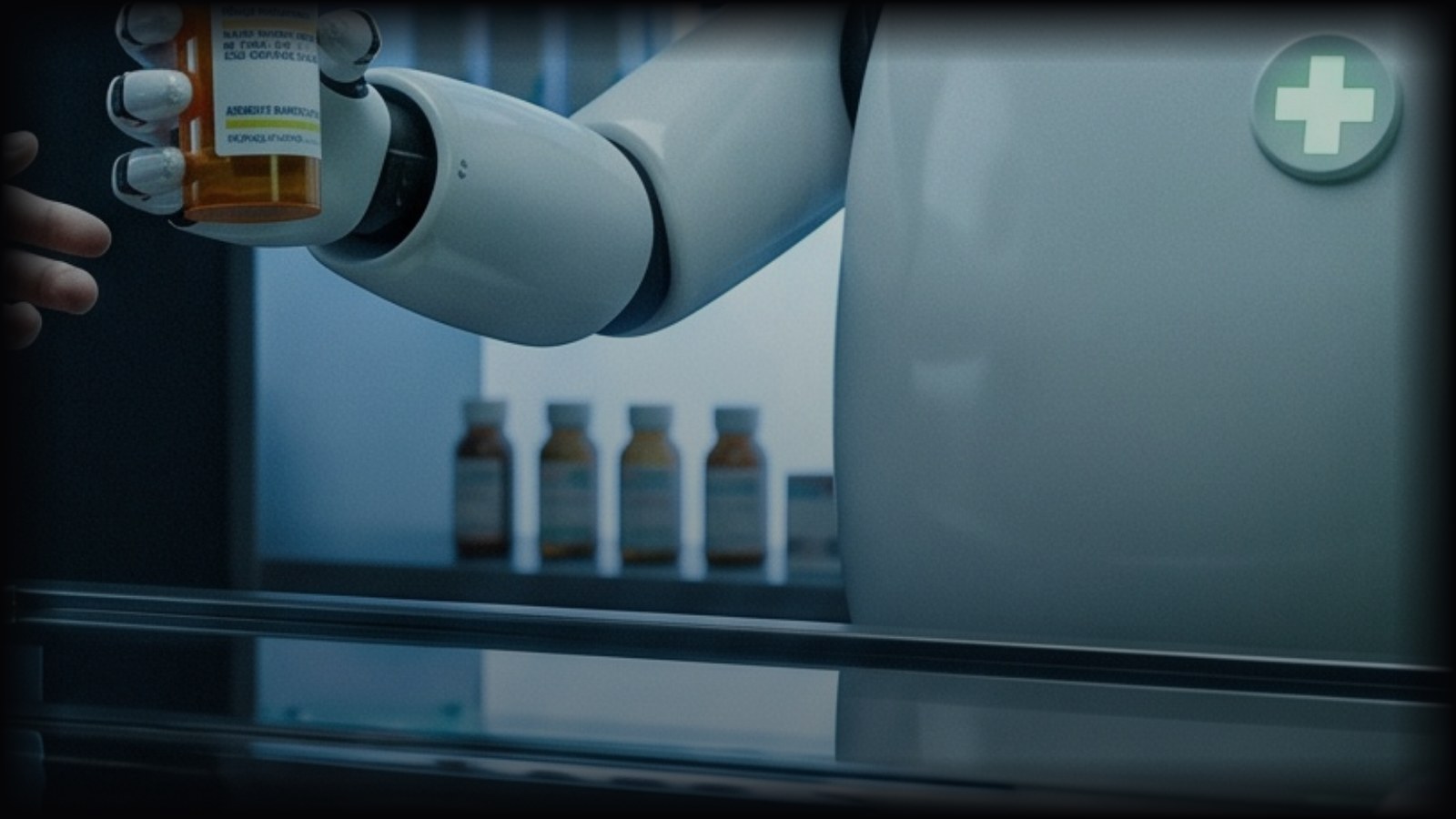
Startup Queue calls its kiosk the world's first fully autonomous pharmacy: it fills a prescription in about 60 seconds, using computer vision to identify every pill down to its National Drug Code before it enters the vial. The system supports around 250 of the most prescribed US medications, dispenses up to 600 pills per minute, is live in a Palo Alto pilot, and is backed by $12.6M in seed funding. Queue claims up to 96% lower operating cost than a traditional pharmacy.

Illustration for the Samsung Health consent story
productspolicy

Samsung Health ultimatum: consent to AI training on your data or lose sync

A toggle called 'Consent to the Use of Health Data for AI Training and Modelling' is rolling out in Samsung Health as of July 13, 2026, per Android Authority and 9to5Google. Decline it and you cannot sync health data to your Samsung account, and data already stored there gets deleted unless Samsung is legally required to keep it. Covered data includes activity, sleep, medications, medical records and menstrual cycle data, and training may involve human review.

Illustration for the Claude Code browser story
products

Claude Code gets a built-in sandboxed browser inside the desktop app

Anthropic added a built-in, sandboxed browser to the Claude desktop app, reported by 9to5Mac on July 10, 2026. Claude Code can pull up docs or any site, read pages, click through and interact with them the way it works with local dev servers. It runs a clean browser profile with none of your saved logins or history, sessions are sandboxed and configurable, and Anthropic points to the Claude Chrome extension for logged-in browsing. It landed the same week OpenAI shut down its Atlas browser.

Illustration for the Muse Image shutdown story
productspolicy

Meta pulls Muse Image four days after launch following likeness backlash

Meta launched Muse Image on July 7, 2026, drew days of criticism over default opt-in for public adult accounts, and discontinued the feature on July 11, 2026, admitting it 'missed the mark' (per Variety). CAA said no one's name, image, likeness or creative work should be used by AI without clear, documented consent, and SAG-AFTRA urged members to opt out. The 'Sharing and reuse' setting still exists and controls how content can be reused with Meta's AI features.

Illustration for the Claude Cowork mobile story
products

Claude Cowork arrives on mobile and web as agents move beyond coding

On July 7, 2026, Anthropic launched Claude Cowork on mobile and web as a beta, rolling out first to Max subscribers. Users can start a task on a laptop, steer it from a phone, and collect the result anywhere, with tasks running in the background even when the laptop is closed. Anthropic's own data shows more than 90% of Cowork usage is not software development: business operations leads at 33.4%, content creation and copywriting at 16.4%.

Illustration for the GPT-Live story
modelsproducts

OpenAI's GPT-Live brings full-duplex voice conversation to ChatGPT

On July 8, 2026, OpenAI launched GPT-Live-1 for paid ChatGPT plans and GPT-Live-1 mini for free users; by July 9 the rollout covered Go, Plus and Pro users on web, iOS and Android, with the free rollout in progress. The models are full-duplex: they listen and speak at the same time, react while you talk, stay quiet while you think, and hand harder questions to a frontier model in the background. Testers preferred GPT-Live over the old Advanced Voice Mode on turn-taking, interruptions and overall flow.

Illustration for the Muse Image privacy story
productspolicy

Meta's Muse Image can use your photos by default, and here is how to opt out

Muse Image, Meta's image generator inside Meta AI, WhatsApp and Instagram, lets anyone @ mention a public Instagram account and generate AI images based on that person's photos, with public adult accounts opted in by default and no notification when your likeness is used. Opting out is not retroactive: already-generated images stay. The opt-out lives in Instagram Settings under Sharing and reuse (per TechCrunch, July 9, 2026); private accounts and users under 18 are excluded automatically.

Illustration for the Atlas shutdown story
products

OpenAI shuts down its Atlas browser and folds AI browsing into ChatGPT

OpenAI is shutting down Atlas, its AI browser, on August 9, 2026, less than a year after its October 2025 launch, confirming the decision on July 9, 2026. The features survive: a new ChatGPT extension for Chrome reads and summarizes pages, the ChatGPT desktop app gains a built-in browser that can open sites, log in and download files, and a cloud browser on OpenAI's servers lets agents complete tasks. The same week, OpenAI merged Codex and ChatGPT into one desktop app and launched the ChatGPT Work agent.

Illustration for the Anthropic drug discovery story
productsresearch

Anthropic launches Claude Science and moves into drug discovery

On June 30, 2026, Anthropic launched Claude Science, a research product for drug discovery, alongside its own programs to develop treatments for rare and neglected diseases. The company hired Nobel-winning AlphaFold scientist John Jumper, acquired AI biotech startup Coefficient Bio (reportedly around $400 million), and added Novartis CEO Vas Narasimhan to its board. The work is early and preclinical, with no approved treatments yet.