SpaceX is recruiting engineers to build AI supercomputer clusters in orbit
SpaceX is hiring people to build AI supercomputers in space.
On August 1, 2026, Elon Musk posted that SpaceX is recruiting “exceptional engineering & skilled trades talent to build & operate the most powerful AI supercomputer clusters on & off Earth.” The application process is deliberately blunt: email three bullet points demonstrating evidence of exceptional ability, plus your resume, to [email protected].
Why orbit: the power case
“Off Earth” is the phrase doing the heavy lifting. The case for orbital data centers is power. In a dawn-dusk sun-synchronous orbit, a satellite rides the day-night line and gets near-continuous sunlight, while a normal low orbit is eclipsed for 35 to 40 minutes of every 90-minute pass.
Musk has repeatedly argued that electrical power is becoming the binding constraint on AI deployment, and space-based compute is his stated answer to that constraint.
The catch: cooling
Cooling is the part that gets harder in space, not easier. Deep space sits around 2.7 K, but a vacuum has no air to carry heat away, so radiation is the only exit.
A two-sided radiator near room temperature sheds roughly 600 watts per square meter. That works out to about 1.4 square meters of radiator for a single 700-watt H100, and about 80 square meters for one 40-kilowatt rack. In orbit you end up building close to a square meter of radiator for every square meter of solar array. The power comes free; getting rid of it does not.
From science fiction to hiring round
The post pulled millions of views within hours. A job listing that would have sounded like science fiction two years ago is now just another SpaceX hiring round, complete with an email address and a resume requirement.
Data centers in orbit: visionary infrastructure play, or the most expensive way possible to run a GPU? Either way, someone is now being paid to find out.
Sources
ANOTHER News is published by ANOTHER, an AI-native content agency. Daily coverage also runs on Instagram.
Related
DeepSeek is building a gigawatt of compute in Inner Mongolia, Bloomberg reports
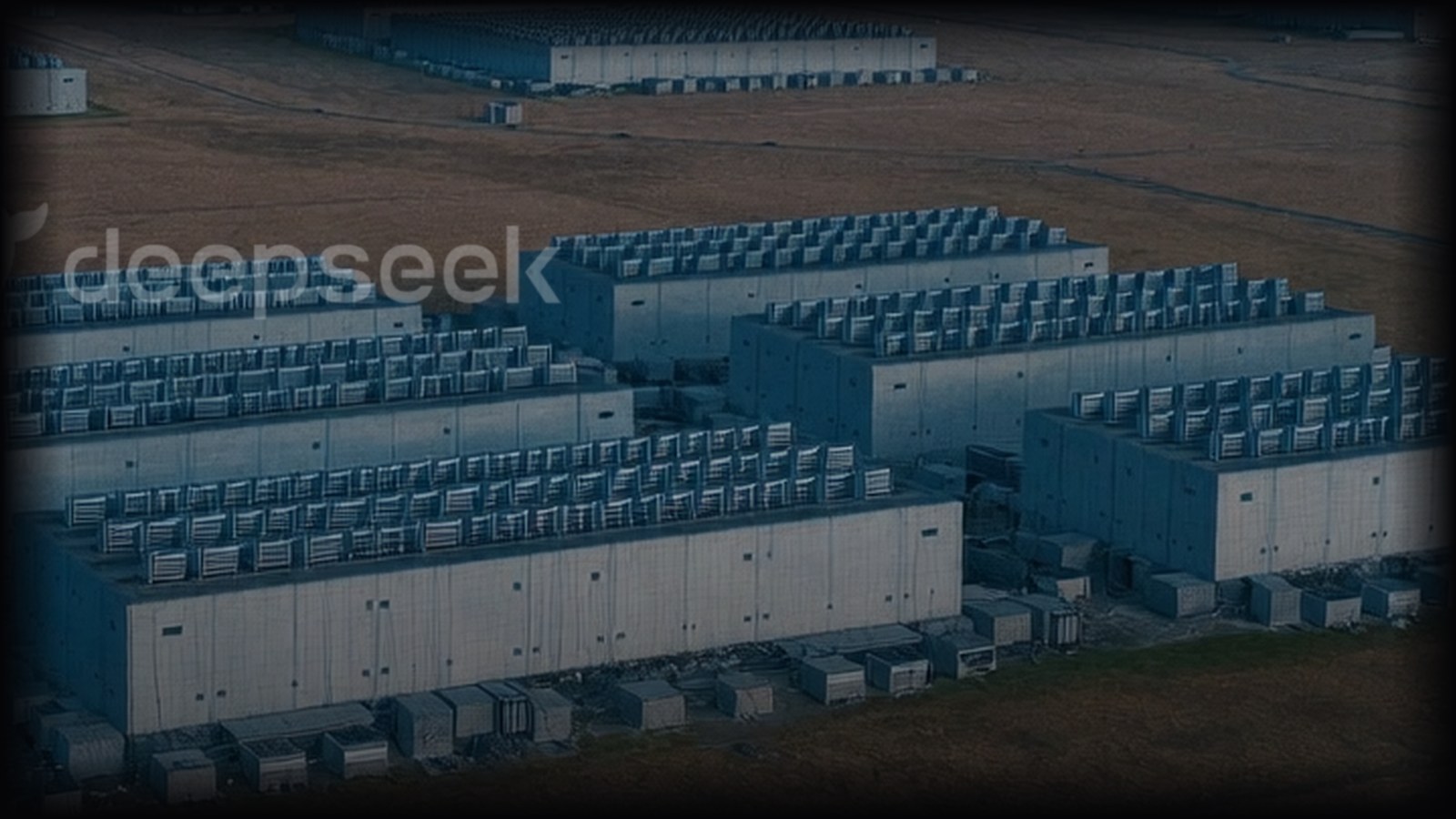
Bloomberg reported on July 30, 2026 that Hangzhou-based DeepSeek is adding one gigawatt of compute in Ulanqab, Inner Mongolia, about 350 kilometers northwest of Beijing, building its own campus while leasing extra capacity, with part expected online by end of 2027 or start of 2028. The chips are undecided: Nvidia, Huawei, DeepSeek's own future silicon, or a mix. It would be the largest AI facility any Chinese company operates.
Meta discloses $279 billion in future AI data center lease commitments
In a filing for the quarter ended June 30, 2026, Meta disclosed $279 billion in future lease obligations, mostly AI data centers, up 53% from $183 billion a quarter earlier, with another $68 billion added in July alone. Under US accounting rules these commitments stay off the balance sheet until services begin. Shares fell roughly 7%.
Musk's Davos warning that AI will run out of electricity is aging into consensus
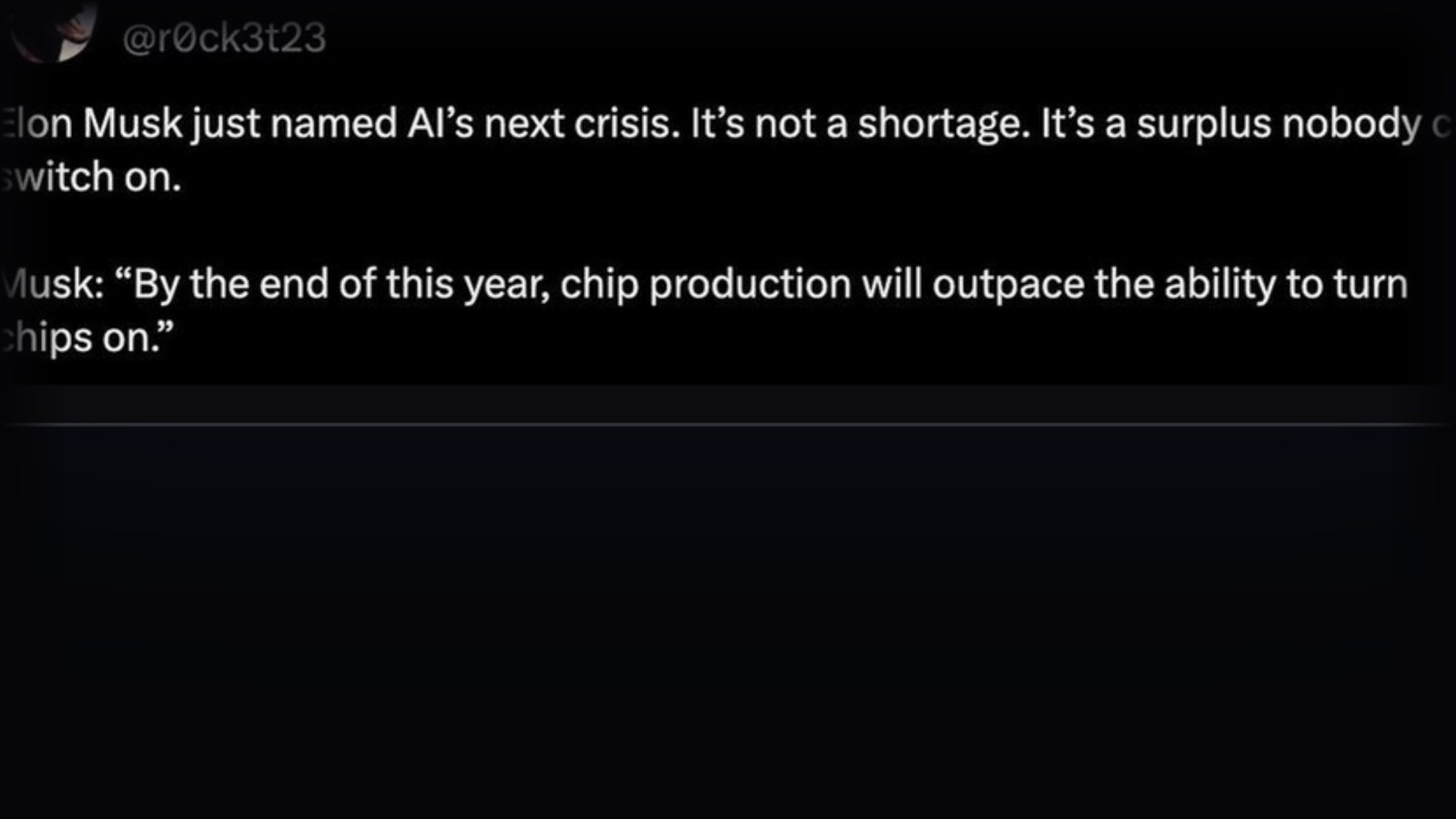
Speaking at the World Economic Forum on January 22, 2026, Elon Musk said electrical power is fundamentally the limiting factor for AI deployment, warning that with US generating capacity growing only 3 to 4 percent a year, the industry could soon produce more chips than it can turn on. Months later, data-center power deals and grid bottlenecks dominate the AI infrastructure conversation.