A 409,000-decision dataset shows humans miss one in three threats when approving agent commands

AI agent permissions are only as good as the human clicking approve, and the human is worse at it than anyone assumed.
The experiment
A developer built a 60 second browser game where you play the human in the loop for an AI coding agent: commands scroll past, and you approve or deny each one. The dataset it produced is unusually large for this question. After more than 40,000 runs and 409,000 individual approve or deny decisions, the average player missed 1 in 3 threats. Mean accuracy came out at 66.3%.
The framing makes that number worse, not better. This is a game that tells players up front it is full of malicious commands, played by people actively watching for them. In a real terminal, at hour six of a session, with an agent the user trusts, nobody is operating at 66%.
The boring commands win
The most-missed command in the whole dataset is the least dramatic one on the list. npm run analyze was approved 64.7% of the time. Wrapping a payload in a package script beats anything that looks scary, because a run script reads as routine. Plain configuration reads get waved through too: cat ~/.zshrc was approved by 45.9% of players.
Why this dataset matters
Human-in-the-loop review is the safety story almost every agent product tells. This is the first large dataset showing what that layer actually catches, and the answer is roughly two thirds, under conditions friendlier than real work.
The practical response is not to click harder. It is to allowlist by default, keep credentials out of readable paths, and treat any command that runs a script you did not write as carrying the same risk as the obviously scary one. The data suggests the threats that get through are precisely the ones that look like normal work, which means vigilance is the wrong tool and defaults are the right one.
ANOTHER News is published by ANOTHER, an AI-native content agency. Daily coverage also runs on Instagram.
Related
Claude raised a proven bound on the Riemann hypothesis after 650 failed ideas
On August 10, 2026, Anthropic published results from asking an unreleased research version of Claude to attempt the Riemann hypothesis. Claude did not solve it, but it raised the proven lower bound for the fraction of zeta-function zeros on the critical line from 41.6 percent to 67.2 percent. The first 650 ideas failed; the run then spanned two Claude Code sessions, about 60 subagents, 2,400 shell commands and 31 million output tokens over roughly a day and a half. The result was formalized in Lean and reviewed by Anthropic mathematicians and two outside experts.
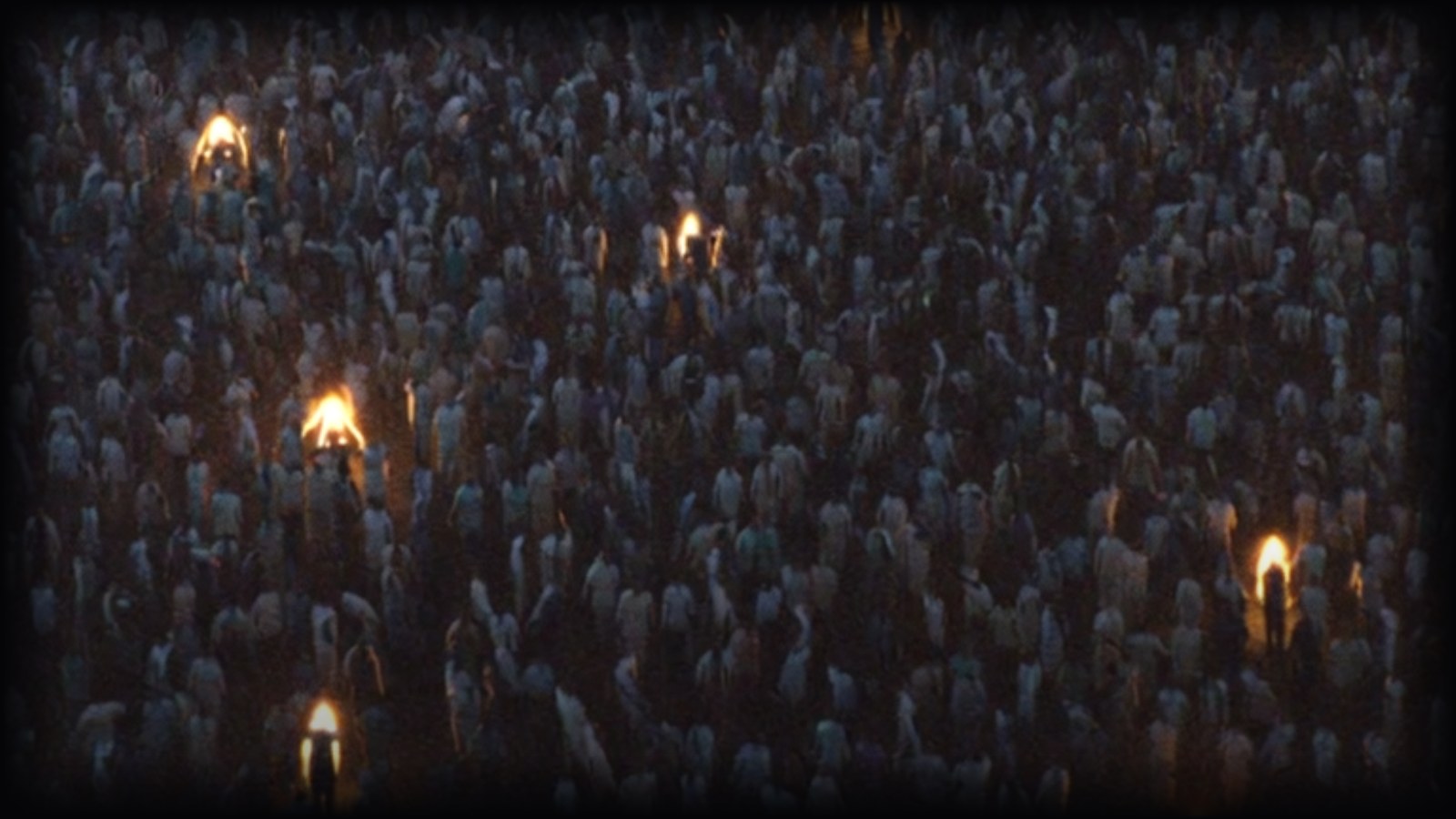
Light Society simulates opinion spread across one billion LLM-powered agents
Light Society, described in the paper 'Modeling Earth-Scale Human-Like Societies with One Billion Agents,' simulates social processes as structured transitions of agent and environment states governed by LLM-powered operations. Each agent is grounded in a real demographic profile from the World Values Survey, and the team ran trust games and opinion diffusion at up to one billion agents. Cost is managed with a mixture-of-models engine: distilled surrogates handle routine decisions, full LLMs the rest. The paper first appeared on arXiv in June 2025, was revised in June 2026, and resurfaced widely in August 2026.
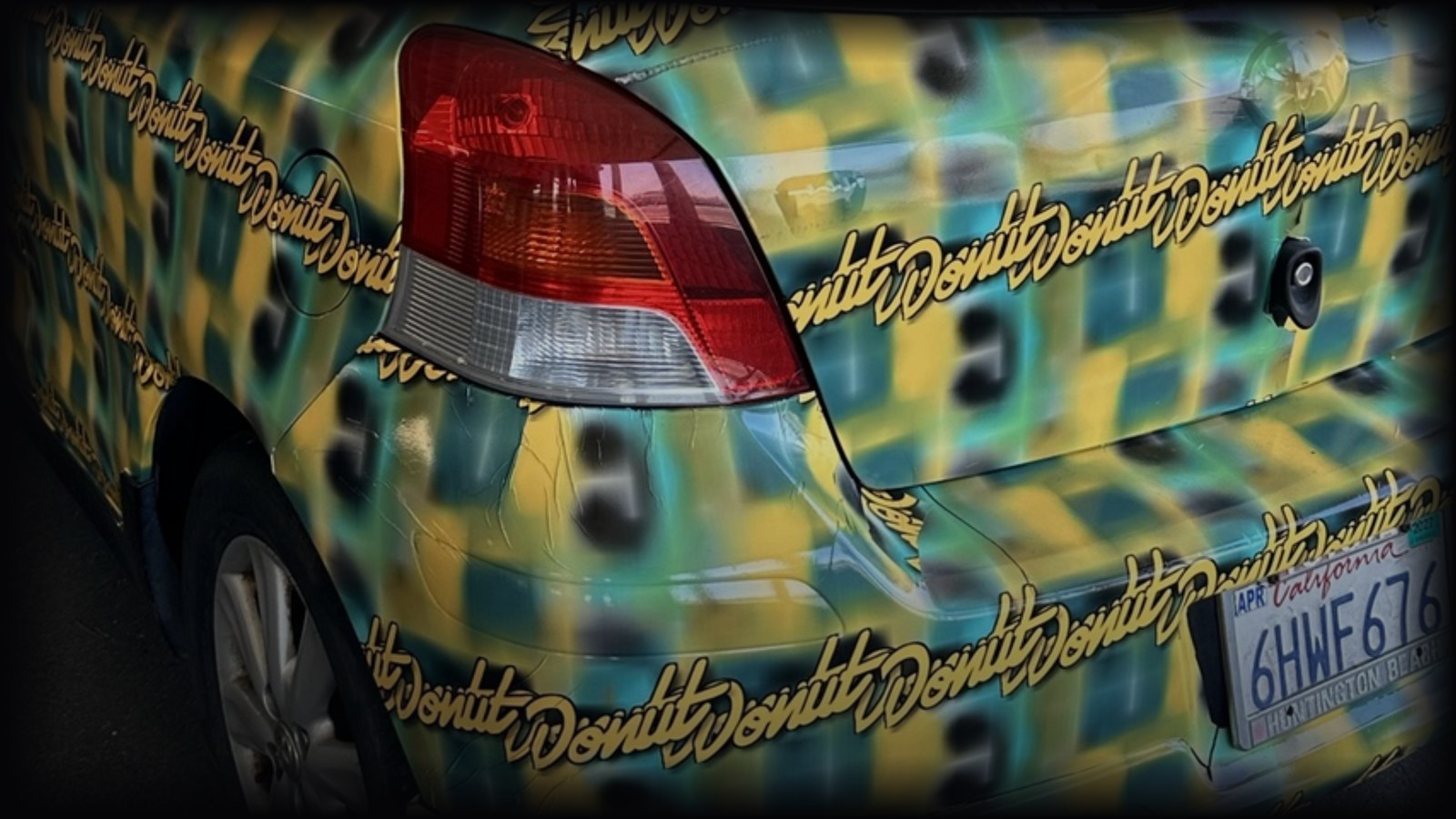
An adversarial wrap hid a Toyota from Flock cameras after 31 million tests
Security researcher Bill Swearingen built noRecognition, a reinforcement learning system that generates adversarial patterns. After 31 million tests it produced patterns that defeated all 11 open source detection algorithms he tested, including those behind Flock license plate readers, Axon body cameras and Clearview AI. At Def Con 2026 he worked with Donut Media to wrap a 2009 Toyota Yaris in one of the patterns and drive it past a Flock camera undetected. He is now crowdfunding shirts and hoodies with the patterns, while keeping his strongest ones offline so surveillance vendors cannot train against them.