Qwen 3.8 Max scores below Kimi K3 on the intelligence index yet costs a third more per task
Benchmark scores do not predict your bill, and Qwen 3.8 Max is the cleanest example yet.
The numbers
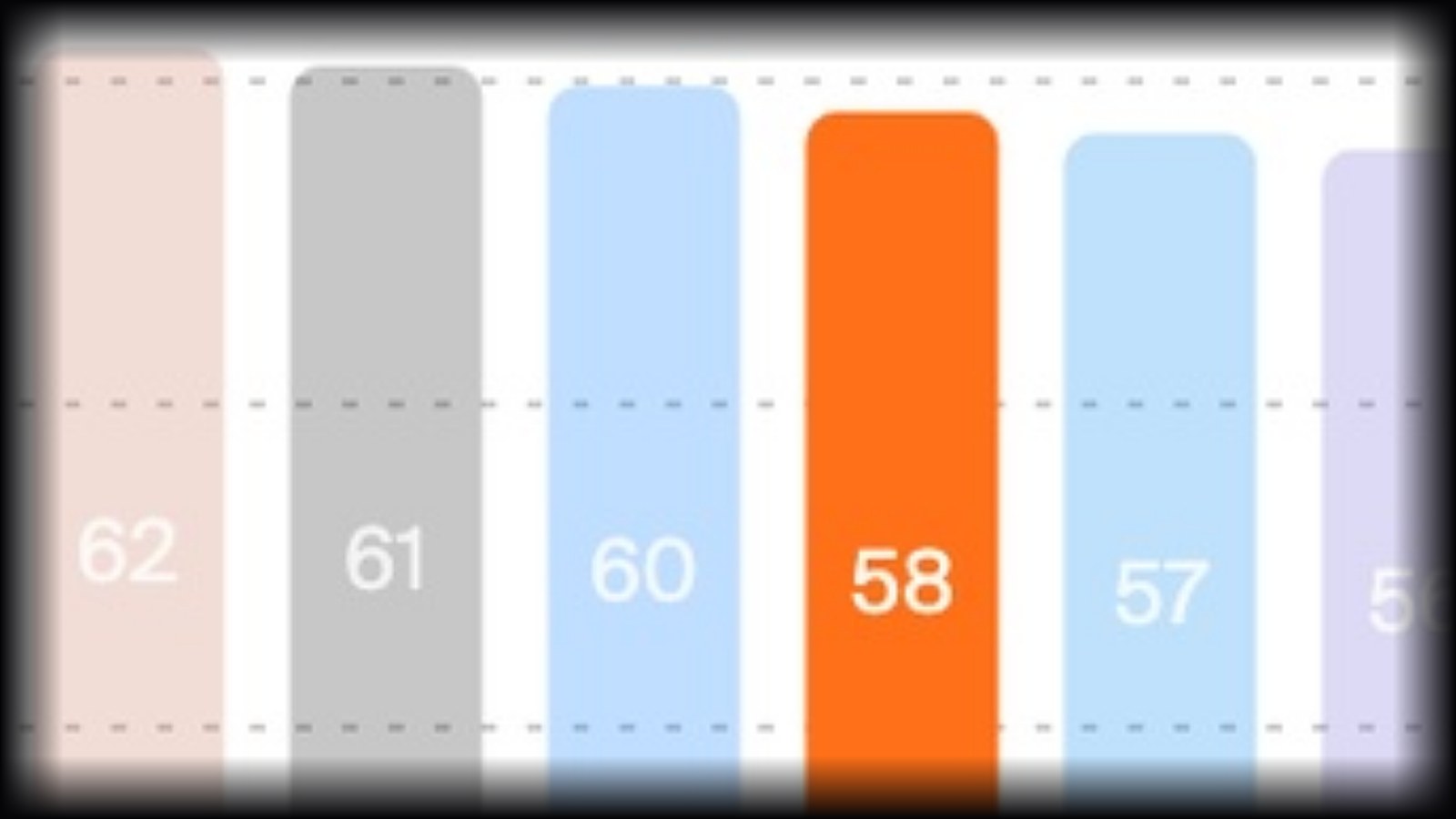
Artificial Analysis has now measured Qwen 3.8 Max, the open-weights model that drew attention at launch, and the ranking is the least interesting part. On the Artificial Analysis Intelligence Index at max effort settings, Claude Opus 5 scores 63, Claude Fable 5 scores 62, GPT-5.6 Sol scores 61, Kimi K3 scores 60 and Qwen 3.8 Max scores 58.
The cost column is where it gets instructive. Kimi K3 runs $0.84 per task. Qwen 3.8 Max runs $1.13. So Qwen scores two points lower than Kimi K3 and costs about a third more per task.
Why a higher score can cost more
The Decoder reports that Qwen 3.8 Max now takes 64 steps per task where it used to take 14, and that its input tokens grew roughly 15 times, because the harness resends the whole conversation history at every step. More steps and more re-sent context buy benchmark points, and the user pays for every one of them.
The pattern holds at the top end too. Claude Opus 5 leads the index at 63 but costs $2.34 per task, so the expensive-and-best trade is real. And a correction worth making: posts claiming Qwen took first place ahead of Opus 5 do not match what the data shows.
What this means for anyone shipping
Index position tells you what a model can do. Steps per task and tokens per step tell you what it will cost you to do it. Two models a couple of points apart on a leaderboard can sit far apart on an invoice, and the direction of the gap is not predictable from the score. For teams choosing a model for production, cost per task deserves the same scrutiny as the benchmark number, because the leaderboard omits the variable that shows up on the bill.
Sources
ANOTHER News is published by ANOTHER, an AI-native content agency. Daily coverage also runs on Instagram.
Related
DeepMind's SL2T brings sign language translation to the Pixel 11 keyboard
Google DeepMind released SL2T, a sign-language-to-text model now shipping in Gboard and Live Transcribe on the Pixel 11, starting with American Sign Language to English. DeepMind says the model is state of the art on academic benchmarks and optimized for real-world signing, one-handed while holding a phone. Body poses are tracked on-device and servers translate the poses into text, keeping raw video off Google's infrastructure. It was built with Deaf Googlers and Google's AI Sign Language Advisory Committee, with more sign languages planned.
One prompt, 690 million tokens and $423 produced a playable 3D racing game
Developer Vyom says he gave Opus 5 a single prompt of roughly 2,000 words, written like a product requirements document, and let it run in one shot: '690 million tokens, $423 and just 1 prompt is all it took.' The result is a cel-shaded arcade speedboat racer built with Vite, TypeScript and Three.js, with meshes, textures, water, audio and UI generated in code. Developer Anul Agarwal rebuilt a comparable version in Codex on GPT-5.6 with two prompts over about five hours for an estimated $5, converted from subscription usage rather than metered billing, with rougher water detail and character movement.
Claude raised a proven bound on the Riemann hypothesis after 650 failed ideas
On August 10, 2026, Anthropic published results from asking an unreleased research version of Claude to attempt the Riemann hypothesis. Claude did not solve it, but it raised the proven lower bound for the fraction of zeta-function zeros on the critical line from 41.6 percent to 67.2 percent. The first 650 ideas failed; the run then spanned two Claude Code sessions, about 60 subagents, 2,400 shell commands and 31 million output tokens over roughly a day and a half. The result was formalized in Lean and reviewed by Anthropic mathematicians and two outside experts.