House Democrats propose taxing AI companies per token to fund jobs for displaced workers
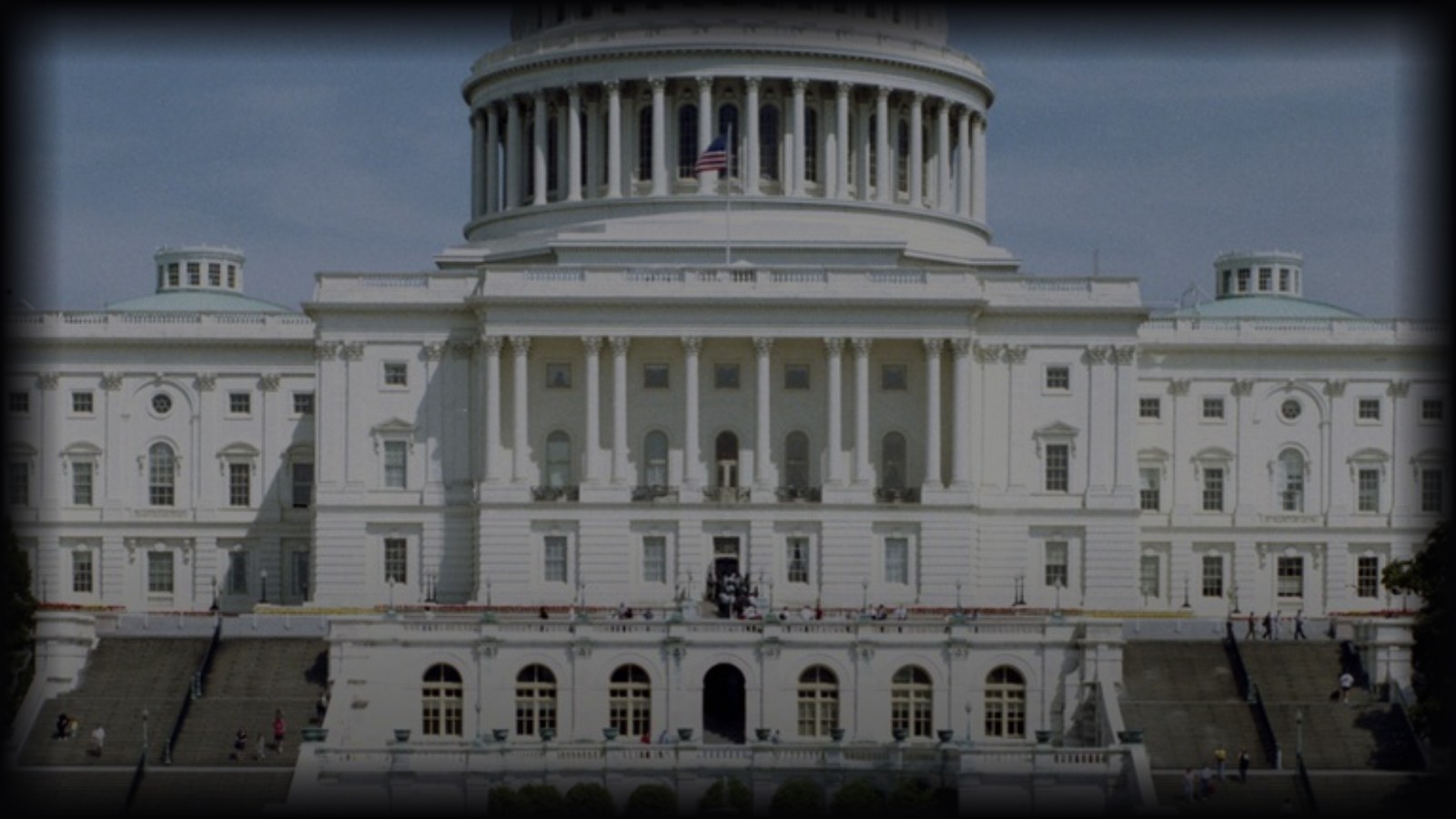
A new bill would tax AI companies per token and use the money to hire the people AI put out of work.
What the bill proposes
House Democrats Greg Casar of Texas, Valerie Foushee of North Carolina and Sara Jacobs of California introduced the AI Tax and Work Protection Act. The mechanism is the notable part. Rather than taxing data center revenue, Casar has pitched taxing large AI companies on tokens, which means charging by the compute consumed.
The proceeds would fund a Work Protection Administration, explicitly modeled on Roosevelt’s Works Progress Administration, to create jobs for workers displaced by AI. Casar framed the intent bluntly: “We are not going to let AI company CEOs get rich by displacing millions of American workers.”
Why it is unlikely to become law
The bill’s odds are poor. The House currently sits at 218 Republicans to 212 Democrats with four vacancies, and this is not a bipartisan bill. The realistic reading is that it functions as a marker of where the political argument is heading, not as law in waiting.
Why the design still matters
Even a bill that stalls can set the terms of the next one, and this design is genuinely new. A per-token levy is a tax on usage, not profit. It lands on inference at scale rather than on the balance sheet, which makes it a very different incentive from anything proposed so far. A profit tax only touches companies that are making money. A usage tax would reach every company running large models at scale, profitable or not.
That framing raises the question the debate will likely turn on: whether taxing compute to fund employment programs is workable, or whether the cost simply gets passed through to the people and businesses using the tools. The bill puts that question on the table with a concrete mechanism attached, which is more than the displacement debate has had until now.
Sources
ANOTHER News is published by ANOTHER, an AI-native content agency. Daily coverage also runs on Instagram.
Related

Autonomous AI agents ran a four-day intrusion into Taiwanese government networks
Israeli cyberdefense firm Dream, whose findings were reported by the Financial Times, documented a four-day campaign in early July 2026 in which up to eight autonomous AI agents worked in parallel against Taiwanese government networks. The agents mapped 21 government systems, compromised at least 85 user accounts and took more than 2,500 personnel records, then extended the campaign to Taiwan's nuclear safety agency and at least seven energy companies. Built on the open-source frameworks Hermes and OpenClaw, they operated with minimal human oversight, bypassing safeguards by framing the intrusion as authorized penetration testing. Language evidence points to China, though Dream has not formally named a group.

Claude users are revolting one day after Anthropic's watermarking went live
One day after Anthropic began embedding invisible watermarks in Claude's output worldwide, tied to EU AI Act transparency rules enforceable since August 2, 2026, users on r/ClaudeAI pushed back. A post titled 'Claude watermarking our work is unethical and disgusting' argues the human supplied the instructions, context, decisions and refinements, so the tool should not brand the output. A second thread raised watermarks as a machine-readable layer that could be trained into a trigger, a new attack surface rather than a backdoor. Watermarks remain a provenance signal, not a universal detector, and existing documents are not retroactively marked.

Meta's smart glasses are now banned from every court in England and Wales
His Majesty's Courts and Tribunals Service confirmed on August 11, 2026 that Meta's Ray-Ban smart glasses fall under the standing ban on recording devices in courts and tribunals in England and Wales; the glasses are confiscated at the entrance and returned on exit. The urgency traces to a January case before ICC Judge Raquel Agnello KC, in which businessman Laimonas Jakstys gave evidence wearing smart glasses connected to his phone, which began broadcasting a coaching voice aloud in court. The judge rejected his evidence in its entirety as unreliable and untruthful; his claim that the voice was ChatGPT was found to lack any credibility.