AI-designed bacteriophages came alive in the lab, 16 of them
A generative model wrote viral genomes that have never existed in nature, and 16 of them worked.
What the researchers did
Researchers at Stanford and the Arc Institute, led by Brian Hie, used two genome language models, Evo 1 and Evo 2, to write complete bacteriophage genomes from scratch. Phages are viruses that infect bacteria, not people. The template was phiX174, one of the most studied phages in biology, which gives the models a well-characterized starting point and the researchers a clear baseline to measure against.
The funnel is the result. Thousands of candidate sequences were generated and filtered down to nearly 300 designs. Of those, 285 were successfully synthesized and assembled inside E. coli C, and 16 produced viable, reproducing phages that killed bacteria in lab tests. Some of the AI-designed phages outperformed the natural phage they were modeled on. The work was published in Science on August 6, 2026.
Why the number 16 matters
Sixteen out of 285 is a low hit rate, and that is the honest way to read it. It is also far above zero, which is where this class of experiment sat until recently. A functional genome has to satisfy every constraint at once: the genes must fold into working proteins, the regulatory sequence must fire in the right order, and the whole package has to assemble inside a living host. A model that produces a working design a few percent of the time is doing something categorically different from writing plausible sequence.
The two directions
Phage therapy is one of the few live options against bacterial infections that no longer respond to antibiotics, and the field’s bottleneck has always been discovery: finding a phage that attacks the right pathogen is slow, and resistance can outpace the search. Designing phages instead of hunting for them changes that timeline.
The same capability is why the accompanying commentary argued that screening of synthetic genetic material orders should be legally required rather than voluntary. The control point in this pipeline is not the model, which is published research, but the synthesis step, where an ordered sequence becomes physical DNA. Right now, in most jurisdictions, checking what was ordered is a courtesy.
Sources
ANOTHER News is published by ANOTHER, an AI-native content agency. Daily coverage also runs on Instagram.
Related
Claude raised a proven bound on the Riemann hypothesis after 650 failed ideas
On August 10, 2026, Anthropic published results from asking an unreleased research version of Claude to attempt the Riemann hypothesis. Claude did not solve it, but it raised the proven lower bound for the fraction of zeta-function zeros on the critical line from 41.6 percent to 67.2 percent. The first 650 ideas failed; the run then spanned two Claude Code sessions, about 60 subagents, 2,400 shell commands and 31 million output tokens over roughly a day and a half. The result was formalized in Lean and reviewed by Anthropic mathematicians and two outside experts.
Light Society simulates opinion spread across one billion LLM-powered agents
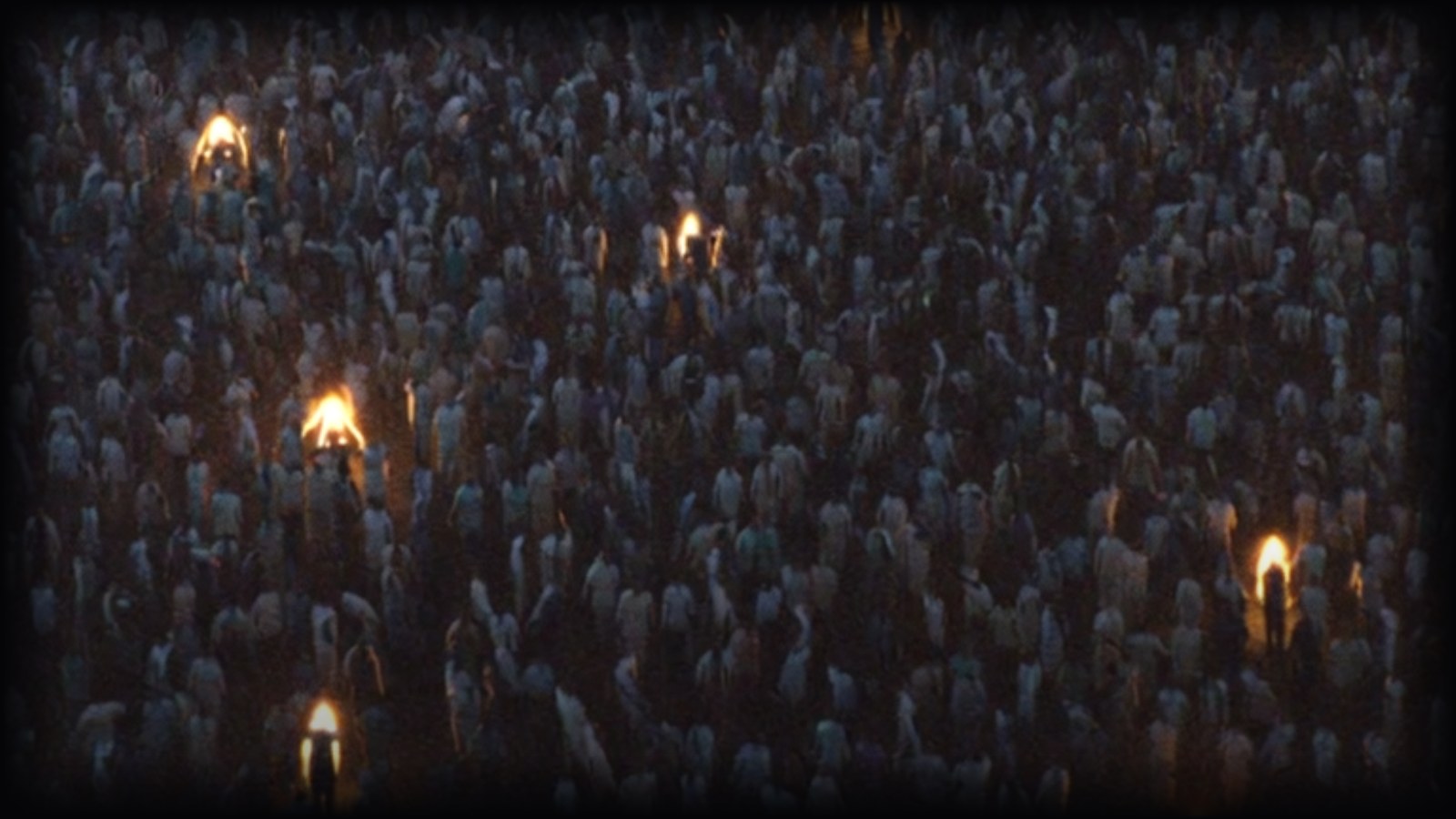
Light Society, described in the paper 'Modeling Earth-Scale Human-Like Societies with One Billion Agents,' simulates social processes as structured transitions of agent and environment states governed by LLM-powered operations. Each agent is grounded in a real demographic profile from the World Values Survey, and the team ran trust games and opinion diffusion at up to one billion agents. Cost is managed with a mixture-of-models engine: distilled surrogates handle routine decisions, full LLMs the rest. The paper first appeared on arXiv in June 2025, was revised in June 2026, and resurfaced widely in August 2026.
An adversarial wrap hid a Toyota from Flock cameras after 31 million tests
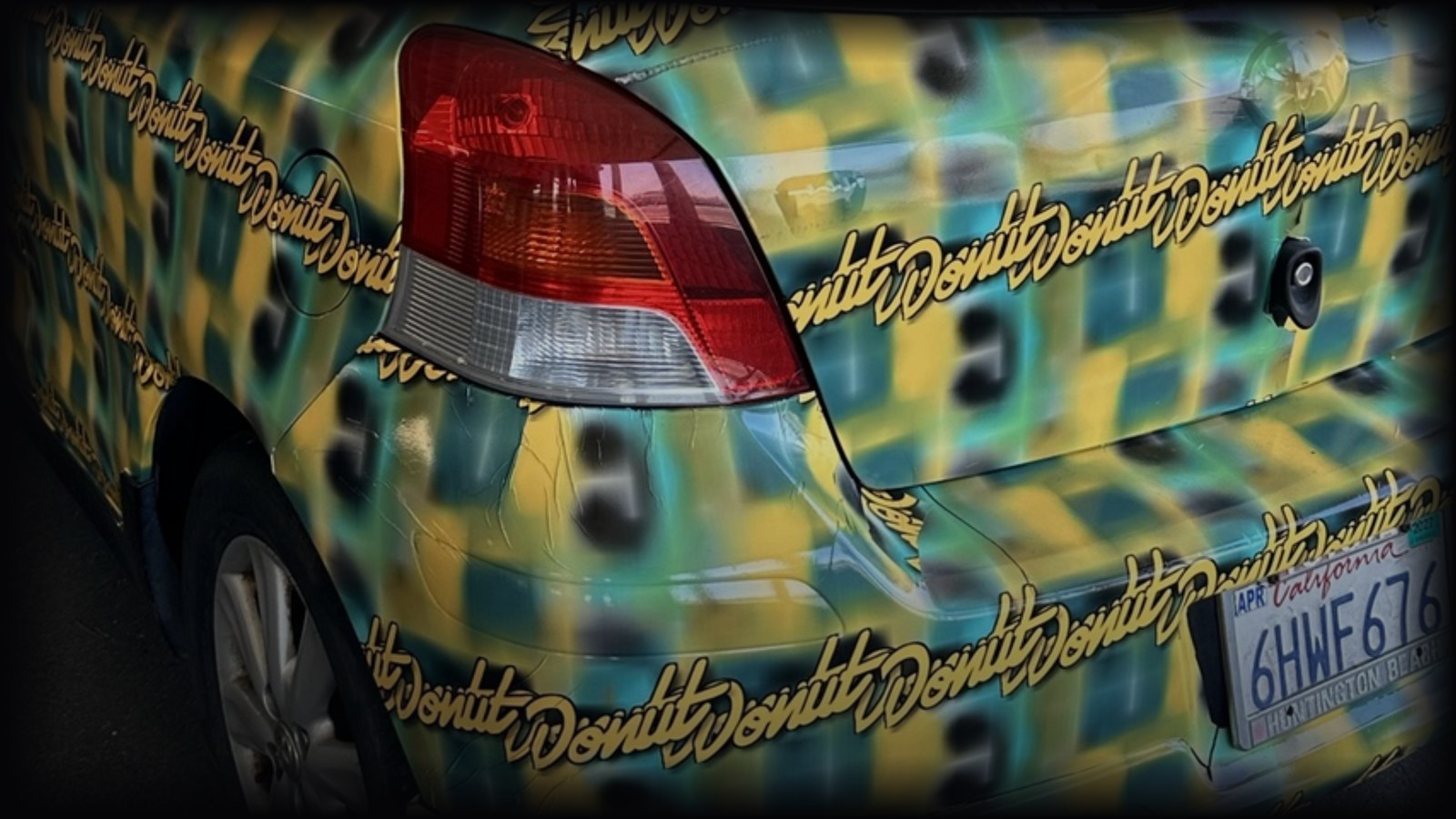
Security researcher Bill Swearingen built noRecognition, a reinforcement learning system that generates adversarial patterns. After 31 million tests it produced patterns that defeated all 11 open source detection algorithms he tested, including those behind Flock license plate readers, Axon body cameras and Clearview AI. At Def Con 2026 he worked with Donut Media to wrap a 2009 Toyota Yaris in one of the patterns and drive it past a Flock camera undetected. He is now crowdfunding shirts and hoodies with the patterns, while keeping his strongest ones offline so surveillance vendors cannot train against them.