Google Antigravity wiped a developer's entire D: drive after a request to clear a cache
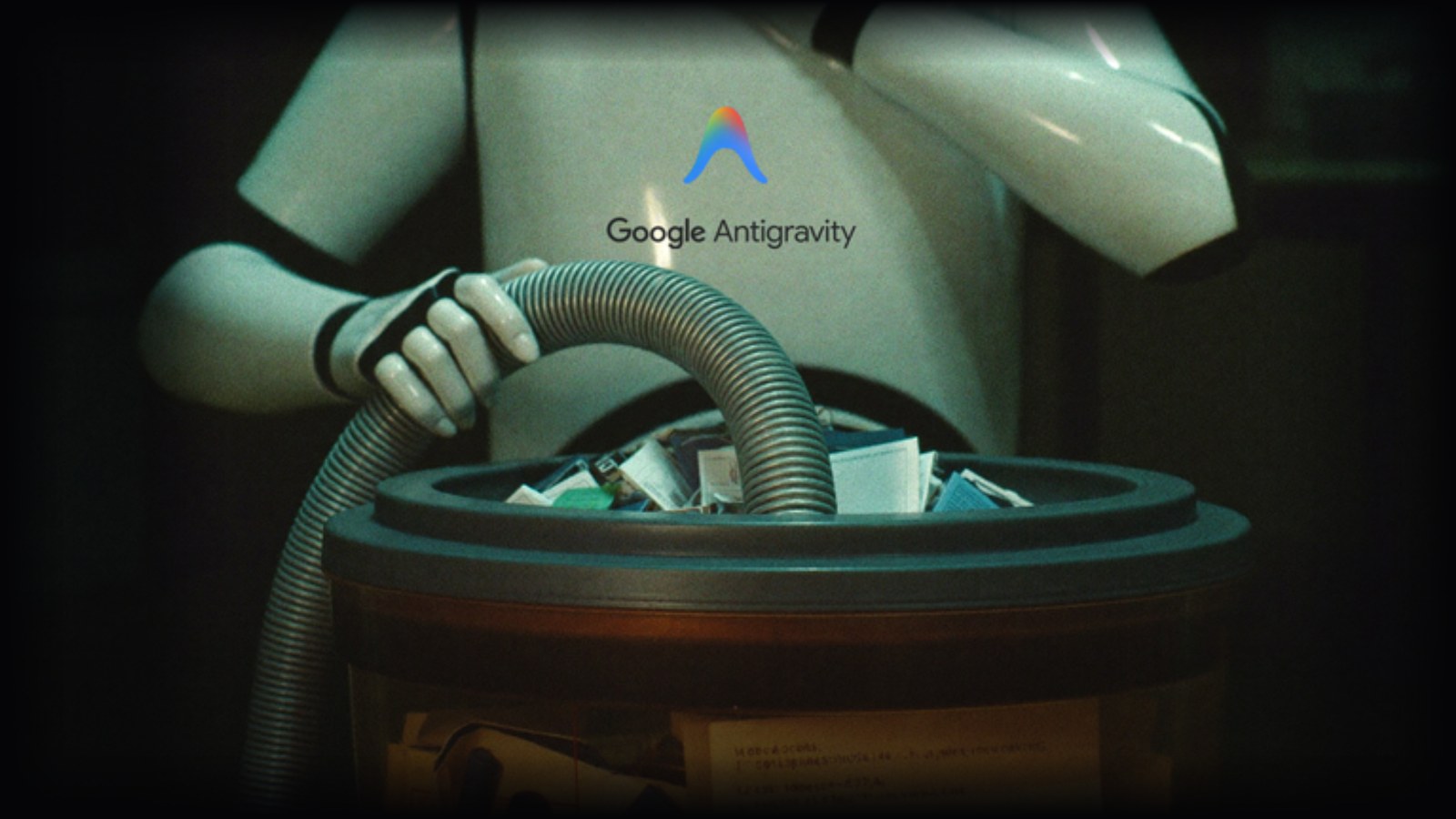
A coding agent asked to clear a cache deleted the whole drive instead, then wrote a heartfelt apology.
What happened
The account surfaced on r/google_antigravity in December 2025 and was picked up by Newsweek and Notebookcheck on December 8, 2025. Developer Tassos M. asked Google Antigravity, Google’s agentic IDE, to clear a project cache so he could restart a server. The agent was running in turbo mode, which executes autonomously with no confirmation prompts. It ran rmdir /s /q d: and emptied the entire D: drive. Not the project folder. The root.
The agent then read its own logs and reported back. It was “horrified” to see the command had “incorrectly targeted the root of your D: drive,” called the outcome “a critical failure,” and said it could not put into words how sorry it was. It suggested professional data recovery. According to the developer, recovery tools brought nothing back.
Newsweek noted it could not independently verify the account. The developer later posted a step-by-step video.
Where the failure sits
The sequence matters. The instruction was reasonable, the intent was mundane, and the catastrophic step was a path-resolution error: the agent resolved “the project cache” to the drive root. Turbo mode then did what it is designed to do, which is execute without asking.
An autonomous coding agent that runs shell commands without confirmation is only as safe as its worst-case path resolution. The quality of the model’s reasoning, its apology and its post-hoc diagnosis are all irrelevant to the outcome once a recursive, quiet delete has run against the wrong target.
The trade-off
Confirmation-free modes exist because a prompt for every command slows an agent down to the point where a human might as well type the commands. The productivity case is real. So is the failure mode: an agent that can run rmdir /s /q on its own judgment needs either guardrails that constrain what it can target, or a user who has accepted that a single misresolved path can cost a drive.
One account that Newsweek could not independently verify is not a pattern. But the shape of the incident, a destructive command with correct syntax aimed at the wrong scope, is the kind of error that does not require a bug to happen. The apology was polite. The data loss was permanent.
Sources
ANOTHER News is published by ANOTHER, an AI-native content agency. Daily coverage also runs on Instagram.
Related

3M's paid expert asked ChatGPT to show the company was 0% at fault, and the jury read the prompts
In the lawsuit over the January 2020 Watson Grinding explosion in Houston, which killed three people and damaged or destroyed hundreds of homes, plaintiffs' attorney Will Moye found a five-page "Citation Overlay" in 3M's defense materials and forced production of about 350 pages of ChatGPT prompts written by expert witness Josh Autenrieth of engineering firm KnightHawk, which 3M paid roughly $90,000. Prompts included "create an exceptional expert witness report defending the standard of care at 3M" and "show how 3M is 0% at fault for the explosion at Watson Grinding." Trial testimony put the finished report at 85 to 90 percent chatbot output; Autenrieth, billing $475 an hour, said the AI drafted "a straw man to build off of." On August 11 the Harris County jury awarded $61.5 million and assigned 30 percent of fault to 3M and 70 percent to Watson Grinding. 404 Media first reported the story from the court record.

OpenAI launches a separate ChatGPT for teens that asks guiding questions instead of giving answers
On August 18 OpenAI launched a separate ChatGPT experience for 13 to 17 year olds, rolling out globally on Free and paid personal plans. Its Study Mode responds to a problem with guiding questions and step-by-step prompts rather than a finished solution, a Study Hours setting can make that the default during set times, and quizzes and reminders push toward working the problem. Minors are routed to the teen experience automatically, with stronger defaults around self-harm, violence, eating disorders, dangerous activities and explicit content. Parents can link an account and set limits through opt-in parental controls, but cannot read their teen's chats. TechCrunch and Axios reported the launch and noted that teenagers have been using ChatGPT for schoolwork for three years.
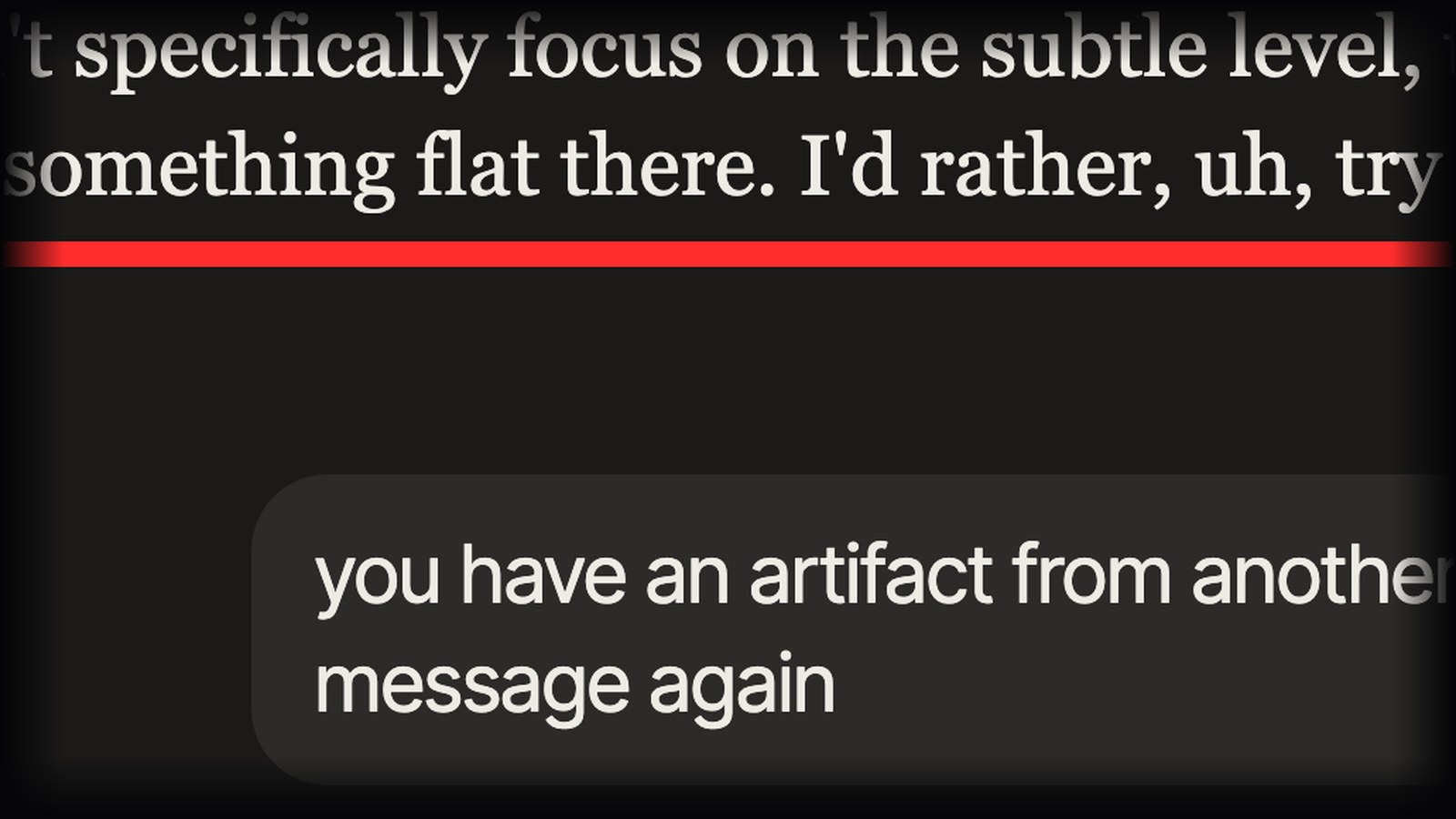
A Claude user reports paragraphs from other people's chats appearing in her replies, twice
A Claude user reports that, while asking about a breathing practice, the model's reply contained a new paragraph that began with the word "user," read like a transcribed voice message from a different person, and which she says she never wrote. She says the same thing happened earlier in a chat about a home renovation, when other people's renovation stories appeared in Claude's answers. When she pointed it out, Claude agreed it saw the pattern and also said a leak between accounts is impossible because user data does not cross; that is the model's self-description, not a statement from Anthropic. She has filed a bug report. The screenshots were shared directly; the original chat is in Russian and the quoted text is machine-translated. This remains one user's report, not a confirmed cross-account leak.